
Reinforced Plastic Pallets Wholesale
As a reinforced plastic pallets manufacturer, we supply steel reinforced and rib-reinforced pallets for warehouses, factories, logistics centers, food and beverage storage, automotive parts handling, and chemical warehouse projects.We also support custom size, color, logo, material ratio, and steel tube layout for bulk orders.
- 1,500 kg rack load / 2,000 kg dynamic load / 6,000 kg static load
- Deflection under rack load <2% and Pallet bending ≤5 mm
- 7–10 years warehouse circulation
- 4–10 steel tubes custom configuration
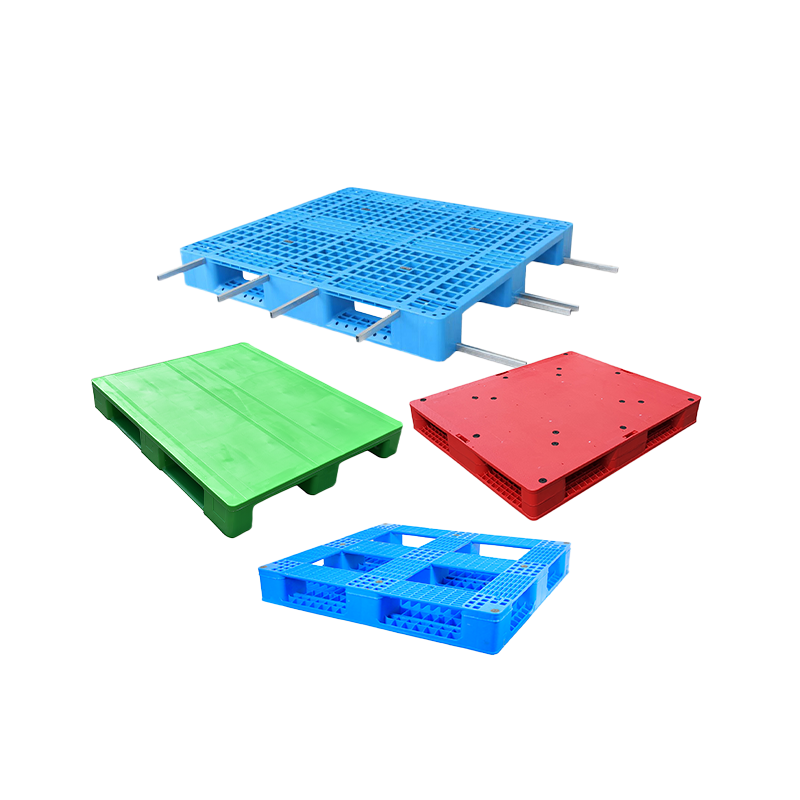
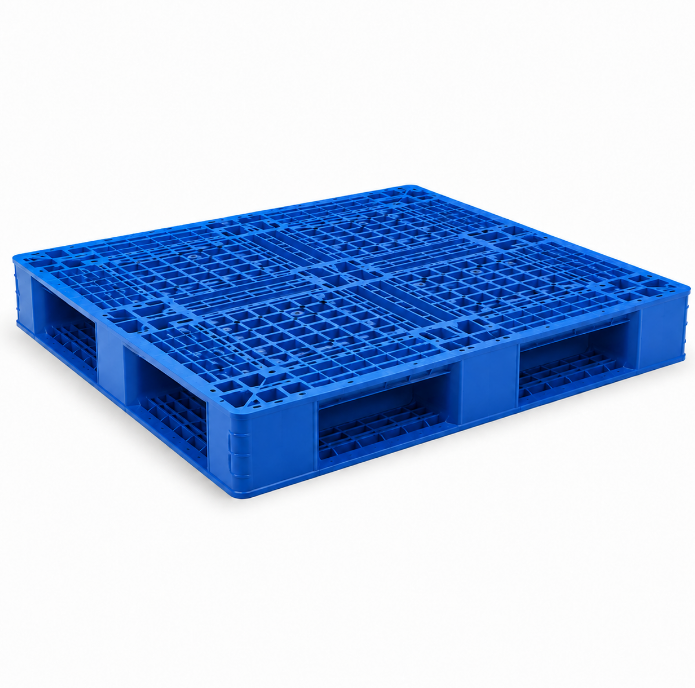
Why Are More Warehouses Using Reinforced Plastic Pallets?
- Standard pallets may bend or sag under heavy or uneven loads.
- After frequent forklift handling, the fork entry edges of standard pallets are more likely to crack from repeated impact.
- When standard pallets are used on beam racks, insufficient bottom support may cause the center of the pallet to sink.
- Reinforced plastic pallets use stronger top decks, bottom runners, fork entry areas, and rack support structures, making them more suitable for heavy goods, frequent handling, and long-term rack storage.
What Types of Plastic Pallets Do We Supply?
Our pallets covers every functional need —nestable, reversible, racking, stacking, food-grade, modular structure, industrial or export compliance.
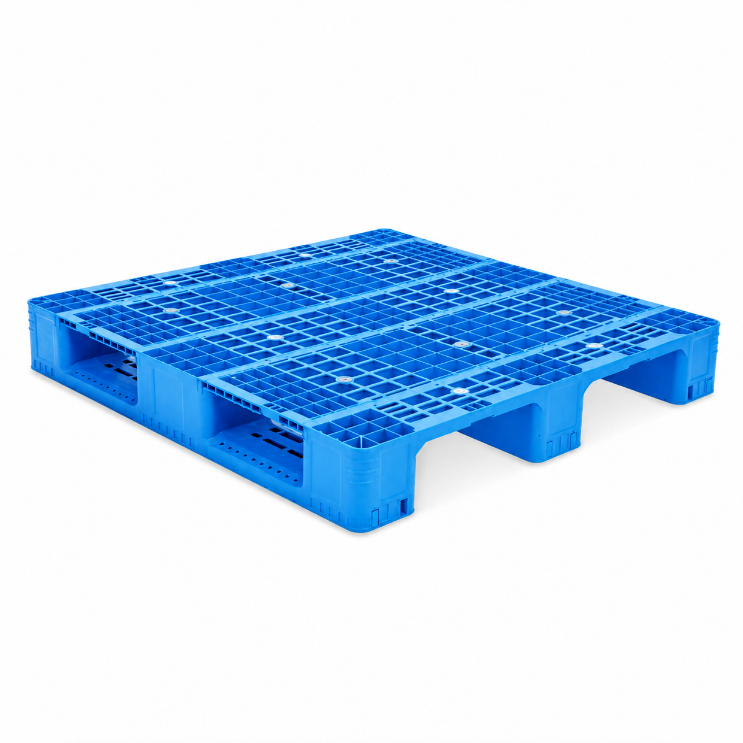
Y1211-B Grid Reinforced Plastic Pallet
Weight: 13.5 kg
Send Inquiry NowStandard Load : Dynamic Load 1T / Static Load 4T
Steel-Reinforced Load : Dynamic Load 1.5T / Static Load 6T / racking load 1T
Production Process: One-Piece Injection Molding
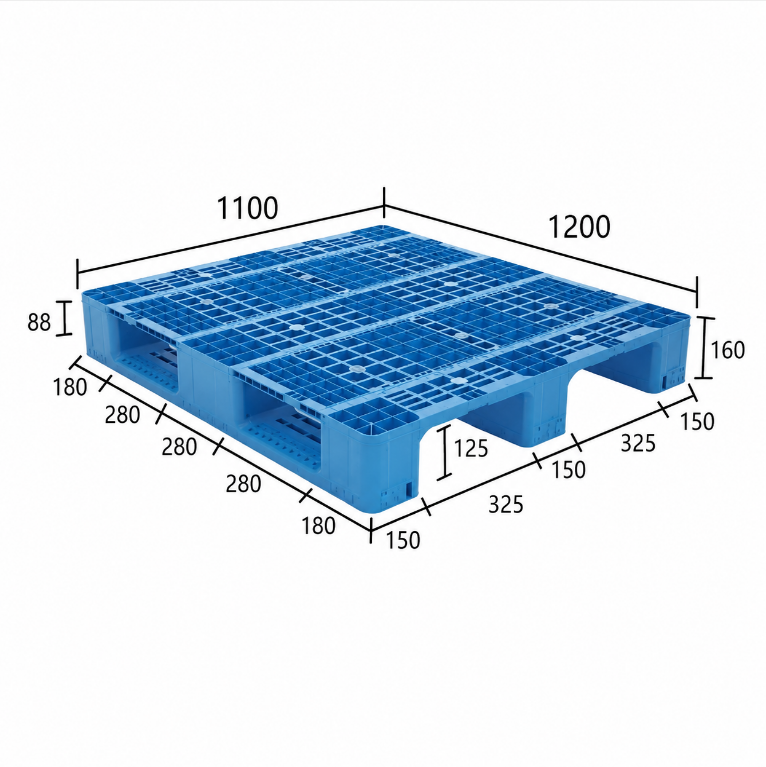
1211WHH Steel Reinforced Plastic Pallet
Weight: 14 kg
Send Inquiry NowStandard Load : Dynamic Load 1T / Static Load 4T
Steel-Reinforced Load : Dynamic Load 1.5T / Static Load 6T / racking load 1T
Production Process: One-Piece Injection Molding
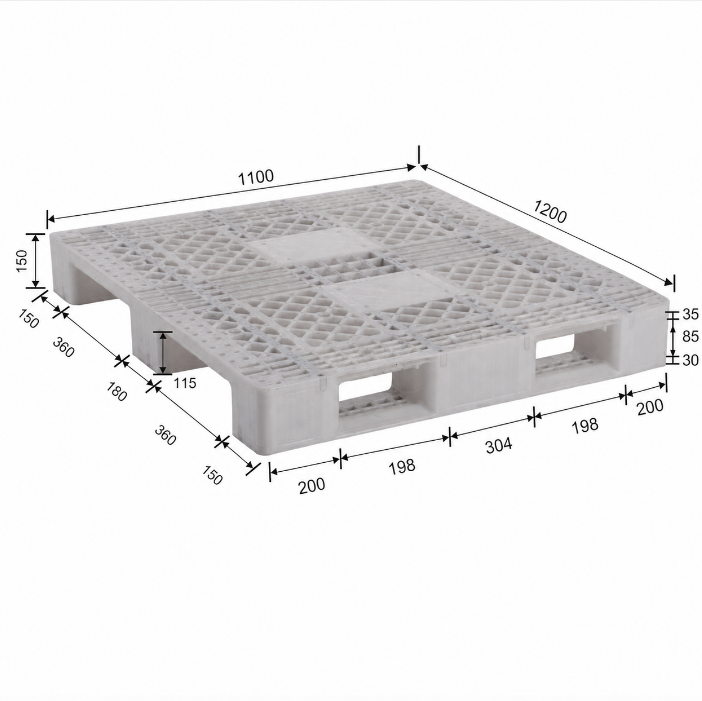
1211 3-Runner Reinforced Plastic Pallet
Weight: 14.5 kg
Send Inquiry NowStandard Load : Dynamic Load 1T / Static Load 4T
Steel-Reinforced Load : Dynamic Load 1.5T / Static Load 6T / racking load 1T
Production Process: One-Piece Injection Molding
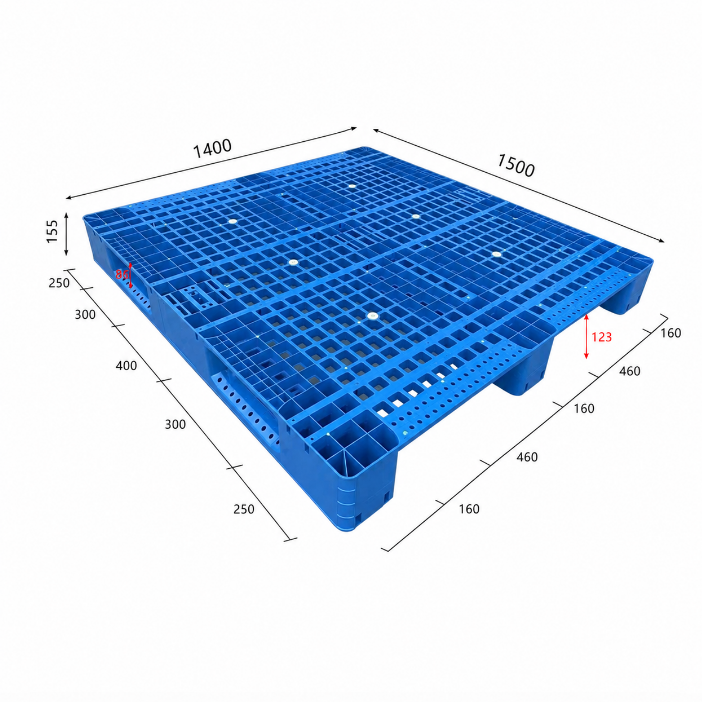
1514 Grid Reinforced Plastic Pallet
Weight: 18 kg
Standard Load: Dynamic Load 1T / Static Load 4T
Steel-Reinforced Load: Dynamic Load 1.5T / Static Load 6T / Racking Load 1.5T
Production Process: One-Piece Injection Molding
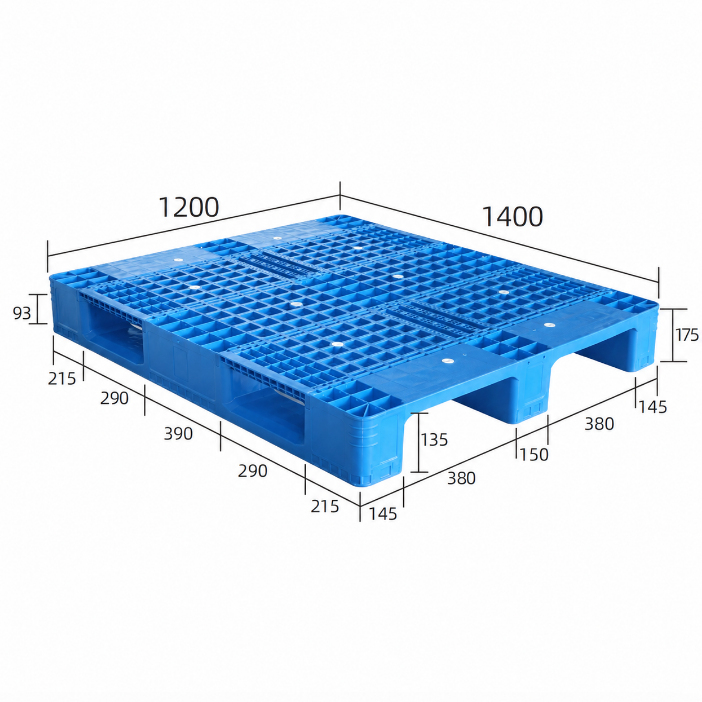
Y1412-B Rackable Reinforced Plastic Pallet
Weight: 20 kg
Send Inquiry NowStandard Load : 1T dynamic load / 4T static load
Steel-Reinforced Load t: 1.5T dynamic load / 6T static load / 1T racking load
Production Process:One-piece molded construction
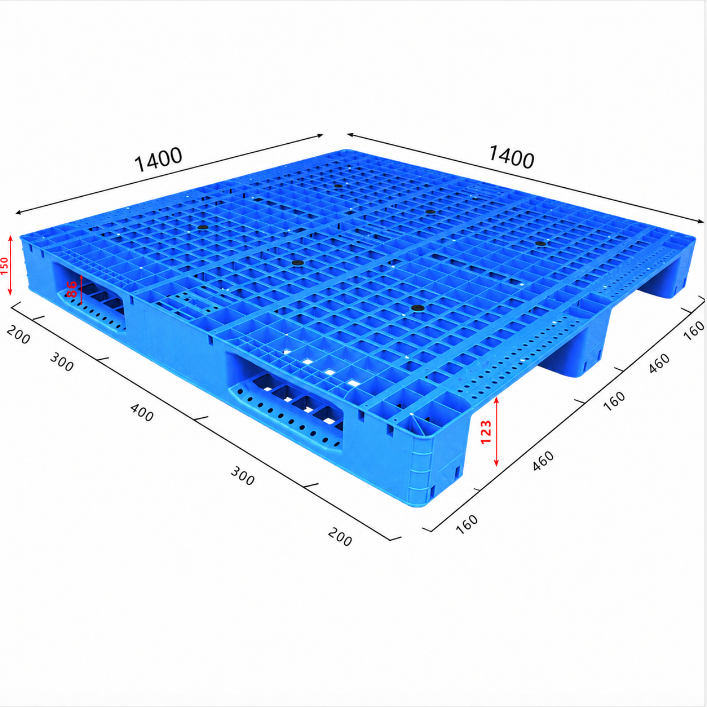
1414 Steel Reinforced Plastic Pallet
Weight: 16.8 kg
Send Inquiry NowStandard Load : 1T dynamic load / 4T static load
Steel-Reinforced Load : 1.5T dynamic load / 6T static load / 1.5T racking load
Production Process: One-piece molded construction
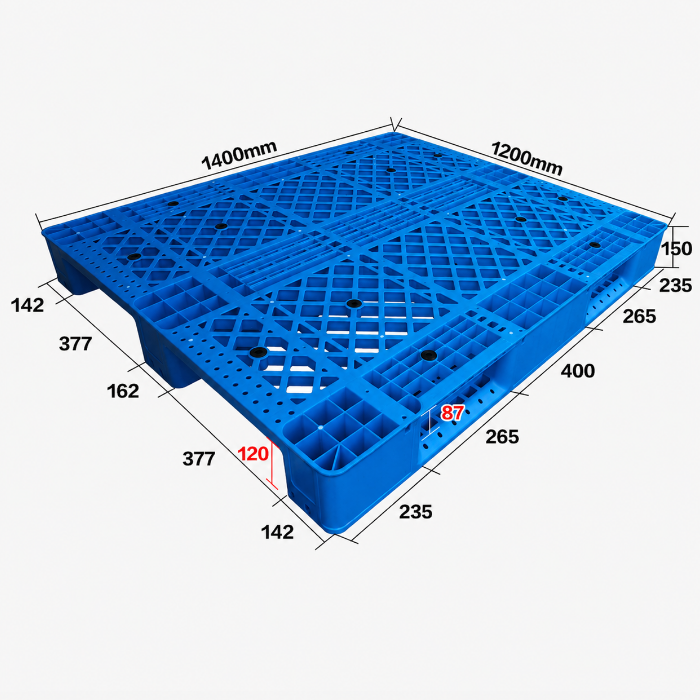
1412D Cross Reinforced Plastic Pallet
Weight: 17.5 kg
Send Inquiry NowStandard Load : 1T dynamic load / 4T static load
Steel-Reinforced Load : 1.5T dynamic load / 6T static load / 1T racking load
Production Process: One-piece molded construction
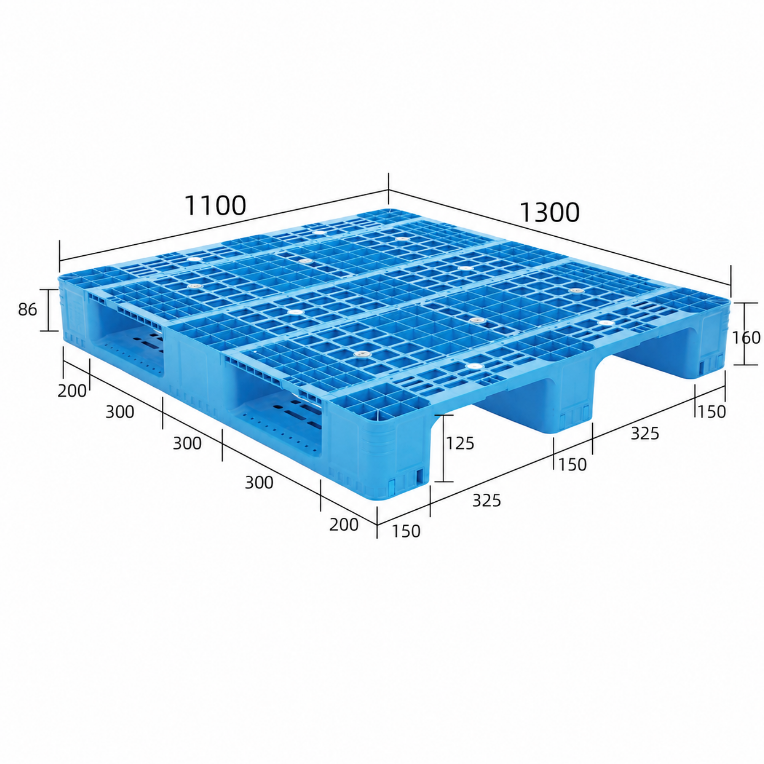
Y1311-B Grid Reinforced Plastic Pallet
Weight: 16.5 kg
Send Inquiry NowStandard Load : 1T dynamic load / 4T static load
Steel-Reinforced Load : 1.5T dynamic load / 6T static load / 1T racking load
Production Process: One-piece molded construction
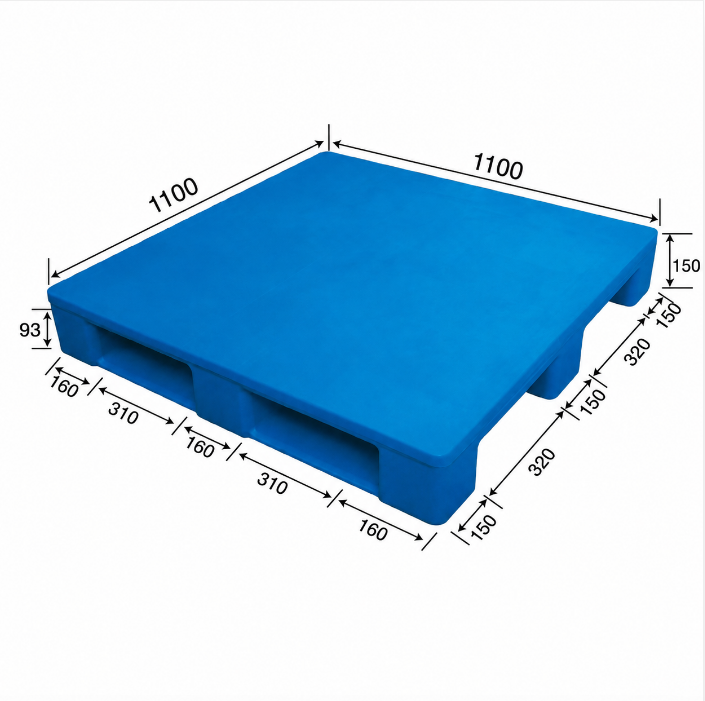
1111 Smooth Reinforced Plastic Pallet
Weight: 18 kg
Send Inquiry NowStandard Load :1.5T dynamic load / 6T static load
Steel-Reinforced Load : 2T dynamic load / 6T static load / 1T racking load
Production Process: One-piece molded construction
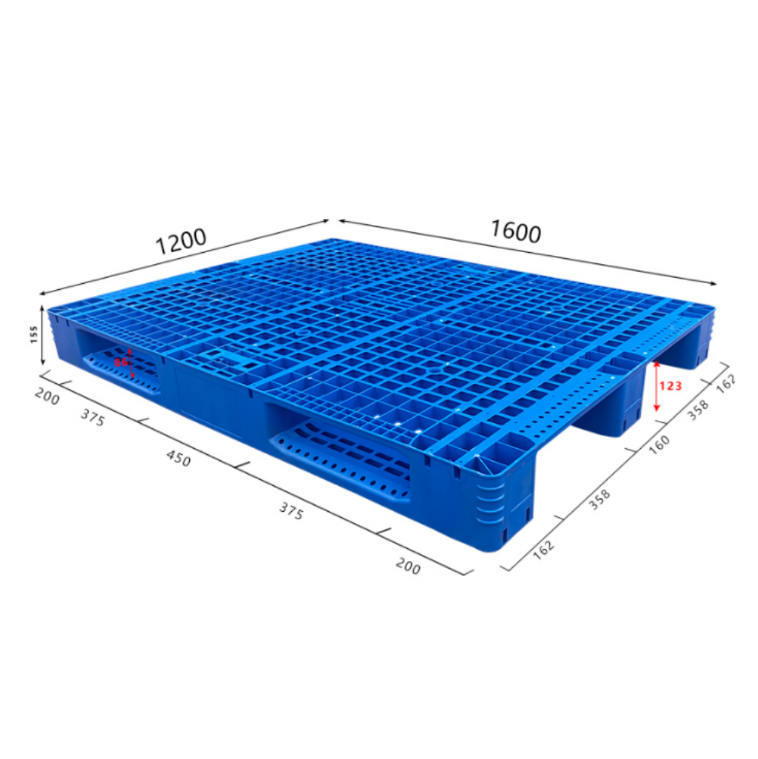
1612 Perimeter Reinforced Plastic Pallet
Weight: 17.5 kg
Send Inquiry NowStandard Load : 1T dynamic load / 4T static load
Steel-Reinforced Load : 1.5T dynamic load / 6T static load / 1.5T racking load
Production Process: One-piece molded construction
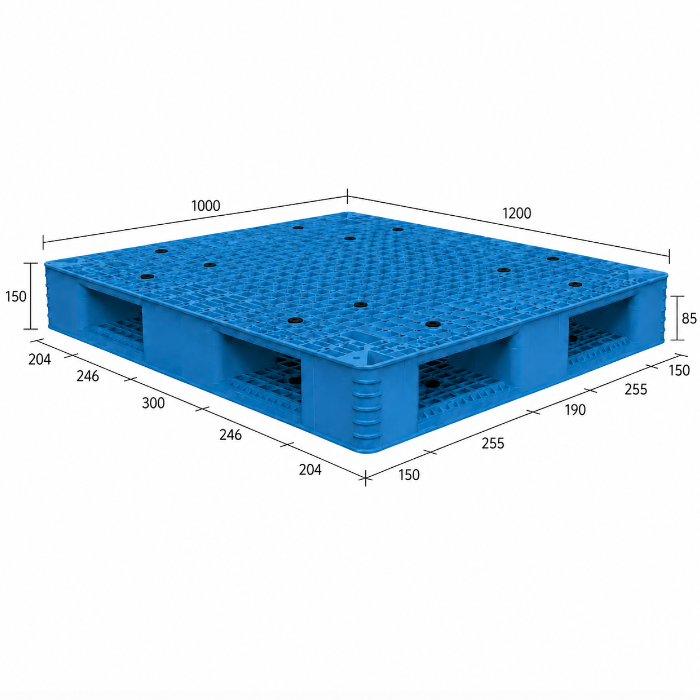
Y1210WSC Double-Sided Reinforced Pallet
Weight: 18.5 kg
Send Inquiry NowStandard Load : 1.5T dynamic load / 6T static load
Steel-Reinforced Load : 1.5T dynamic load / 6T static load
Production Process: One-piece molded construction
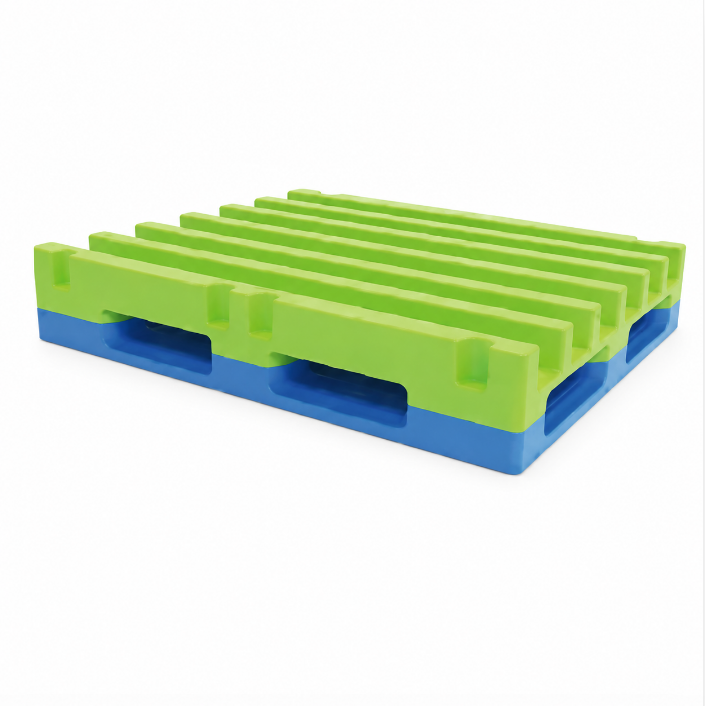
1311 Assisted Unloading Reinforced Pallet
Standard Load : Dynamic Load 1.5T / Static Load 6T / racking load 1T
Send Inquiry NowSteel-Reinforced Load : Dynamic Load 2T / Static Load 6T / racking load 1T
Production Process: One-Piece Injection Molding
Common Reinforcement Areas
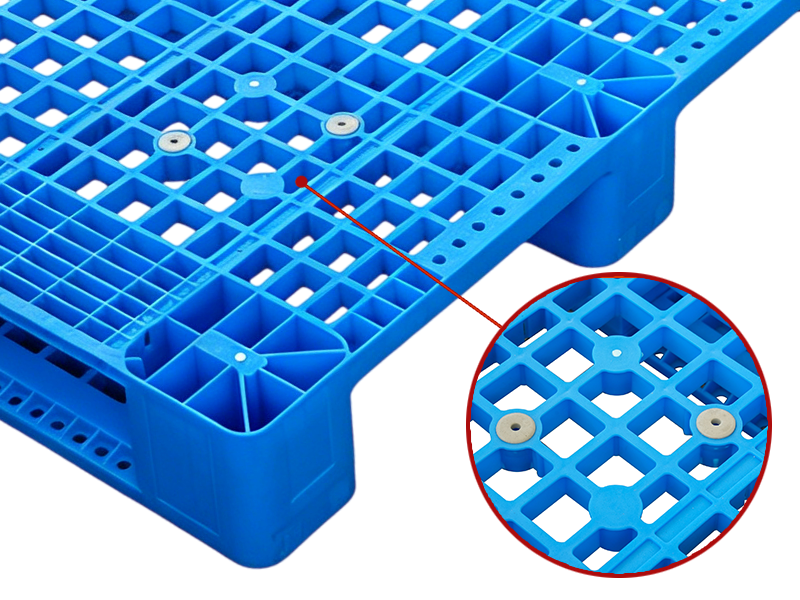
Reinforced Top Deck
The thickened panel structure enhances the load-bearing capacity of the cargo contact surface.
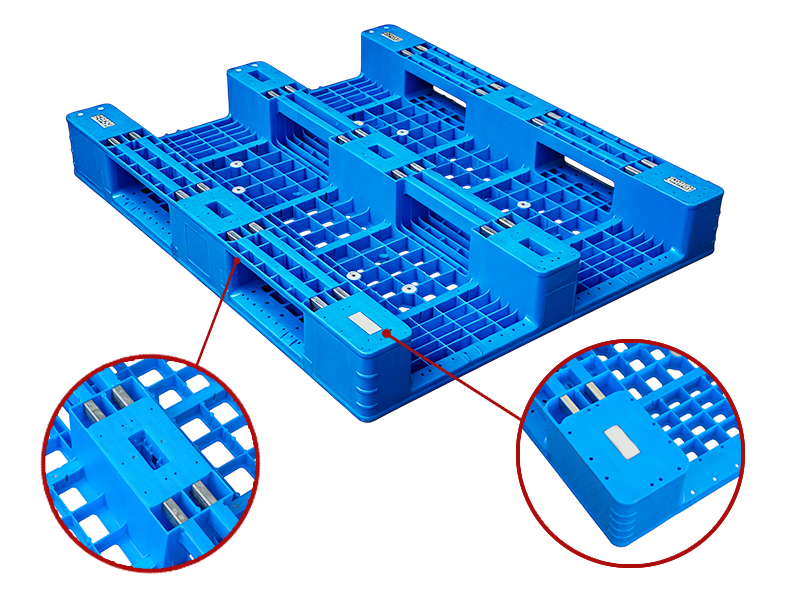
Reinforced Bottom Runners
Reinforce the bottom beam structure to improve the support strength of the pallet bottom.
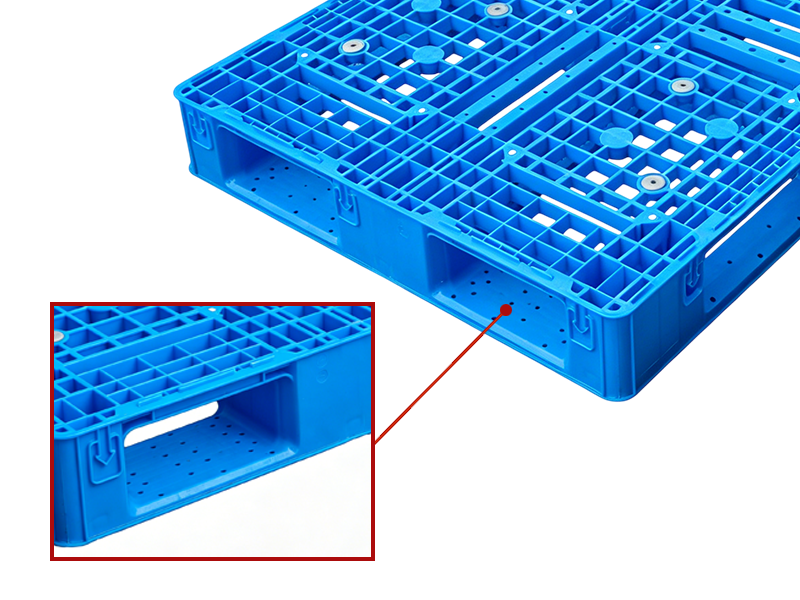
Reinforced Fork Entry Areas
Reinforce the fork joint area to reduce edge damage caused by repeated forklift insertion.
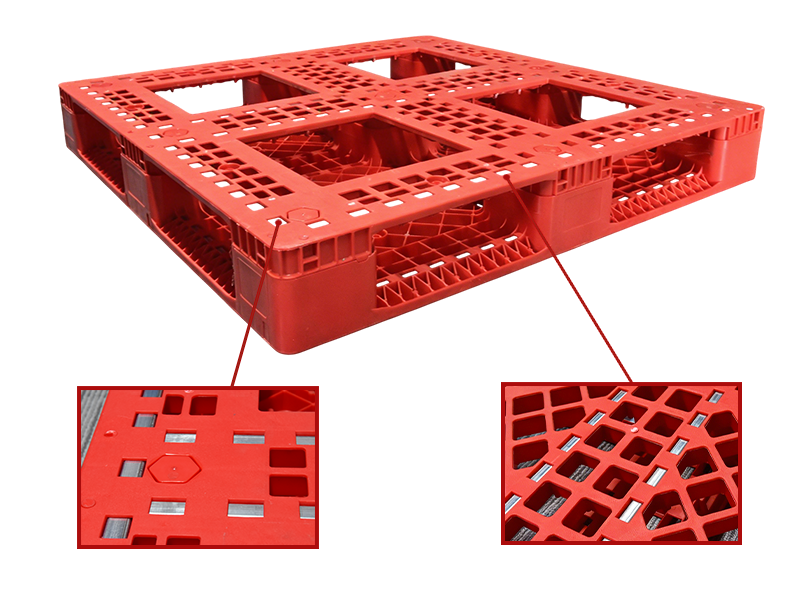
Steel Tube & Rib Reinforcement
The combination of steel pipes and reinforcing ribs enhances the structural strength of critical stress areas.
Applications
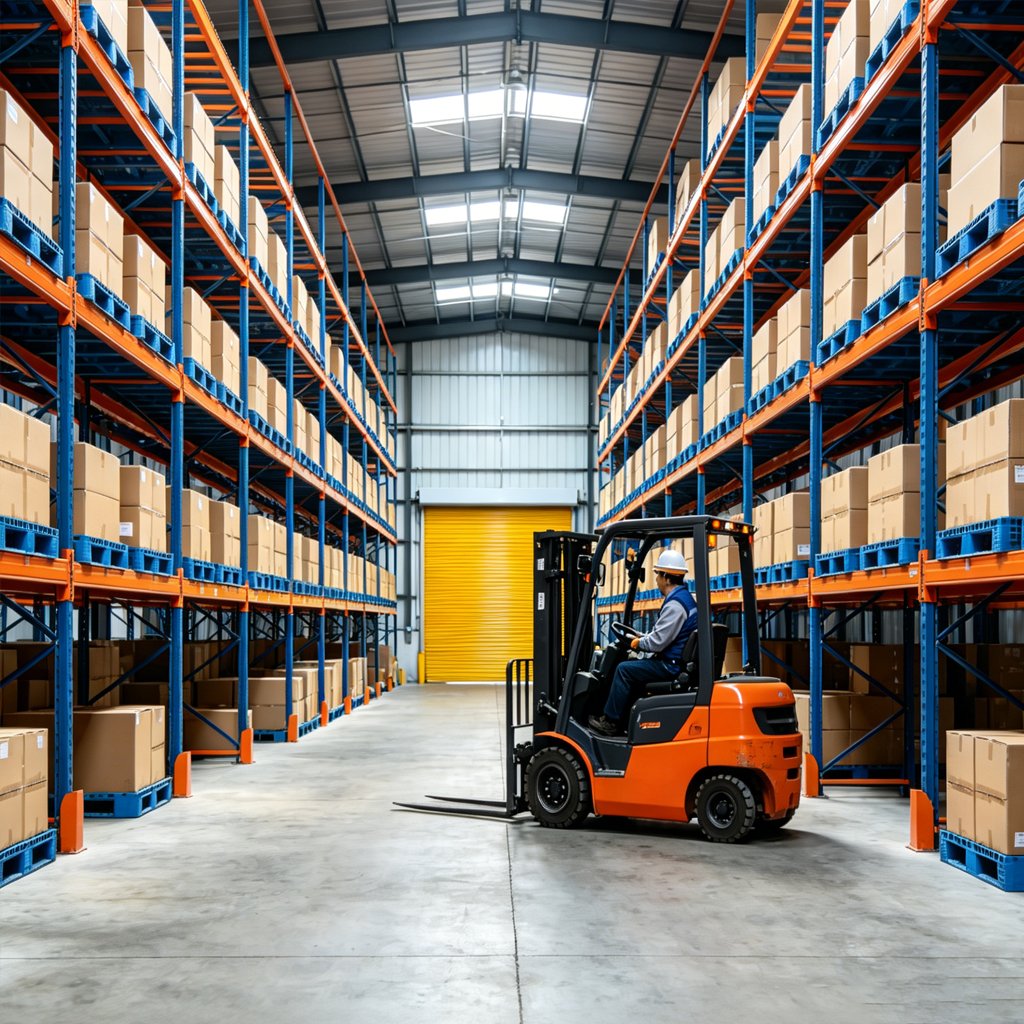
Heavy Industry & Machinery Manufacturing
Reinforced pallets are very strong. Steel tubes and thick panels keep them from bending. They carry heavy loads. Forklifts can move them without causing damage. They are great for moving heavy auto parts like engines and molds repeatedly.
Send Your Inquiry
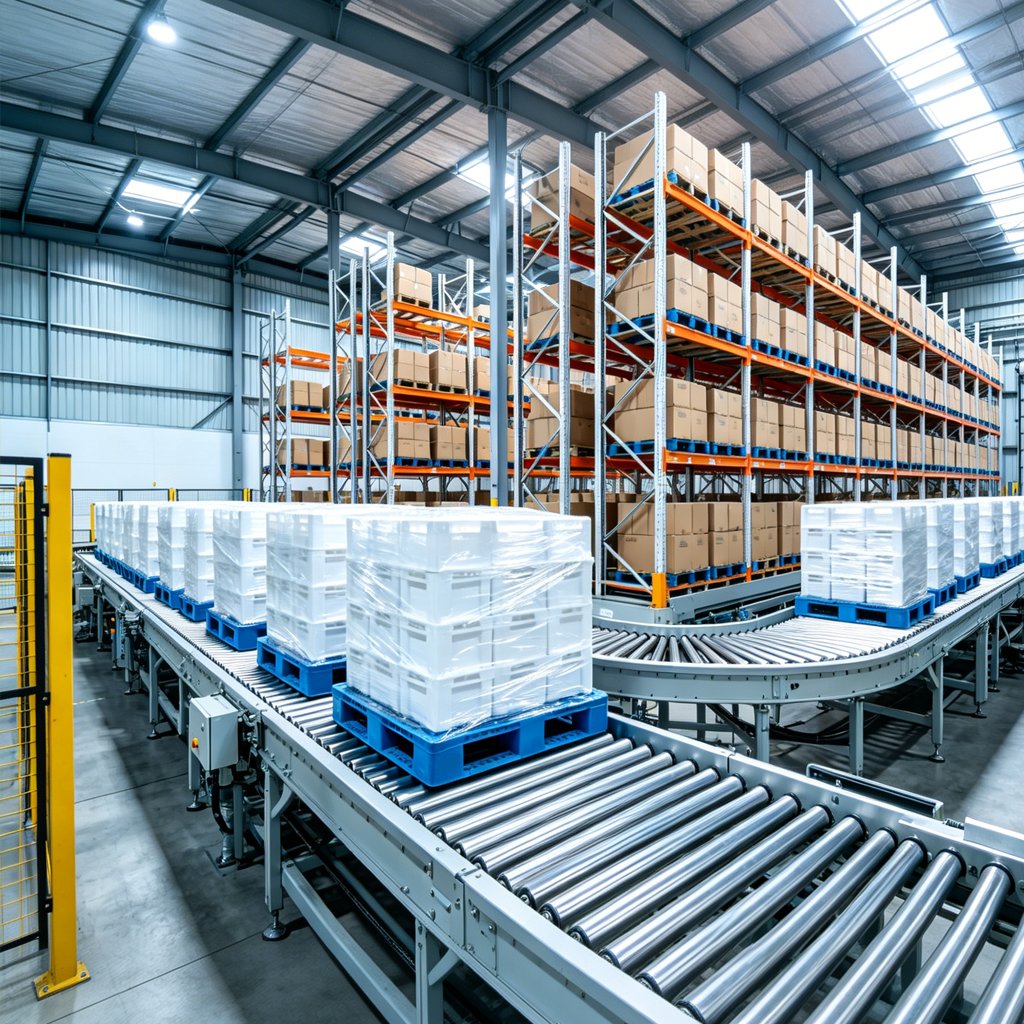
Food & Cold Chain Logistics
Plastic pallets do not absorb water. They have no splinters. Mold and bacteria cannot grow on them. They survive cold temperatures and meet food safety rules. They are safer than wood. They also run smoothly on conveyor belts.
Send Your Inquiry
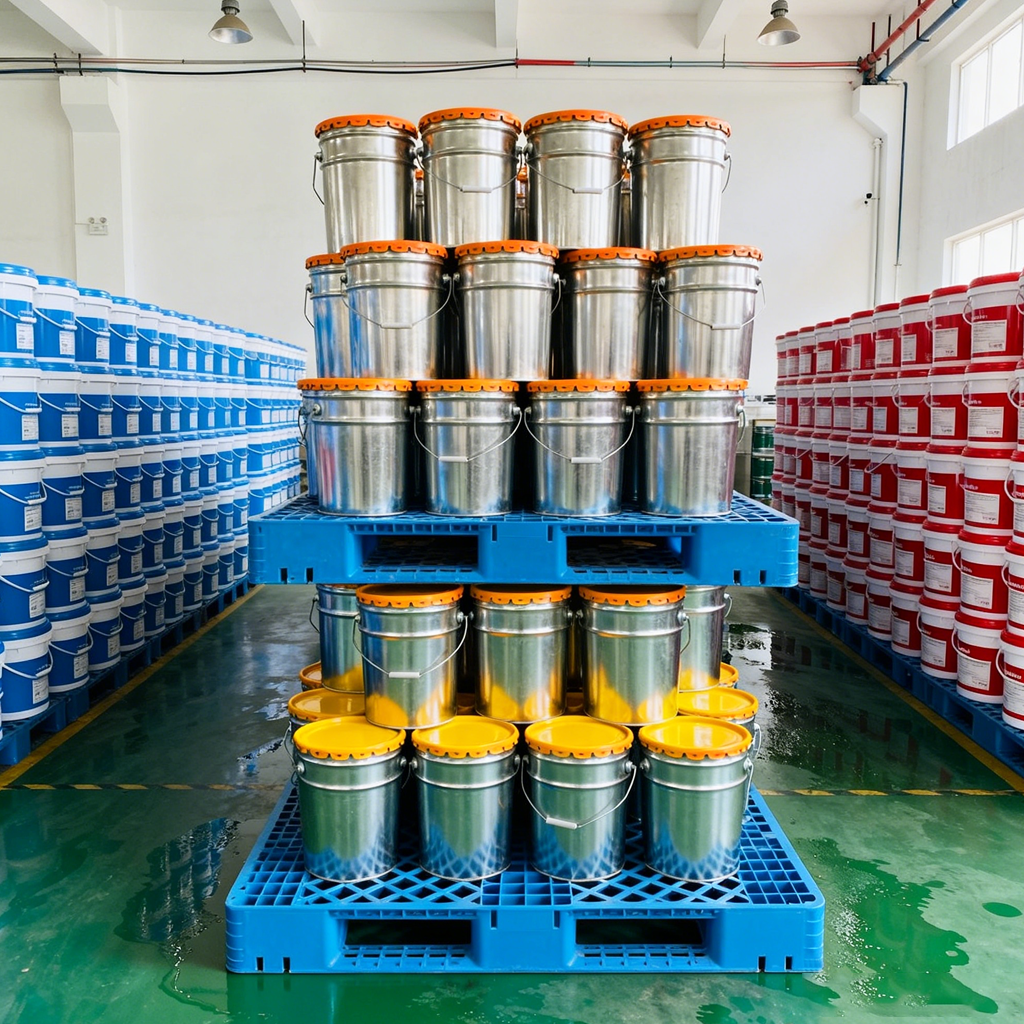
Chemical Industry
These pallets resist acid and alkali damage. They stay strong and carry heavy weights. You can store and move chemicals safely. They last a long time even with constant use.
Send Your Inquiry
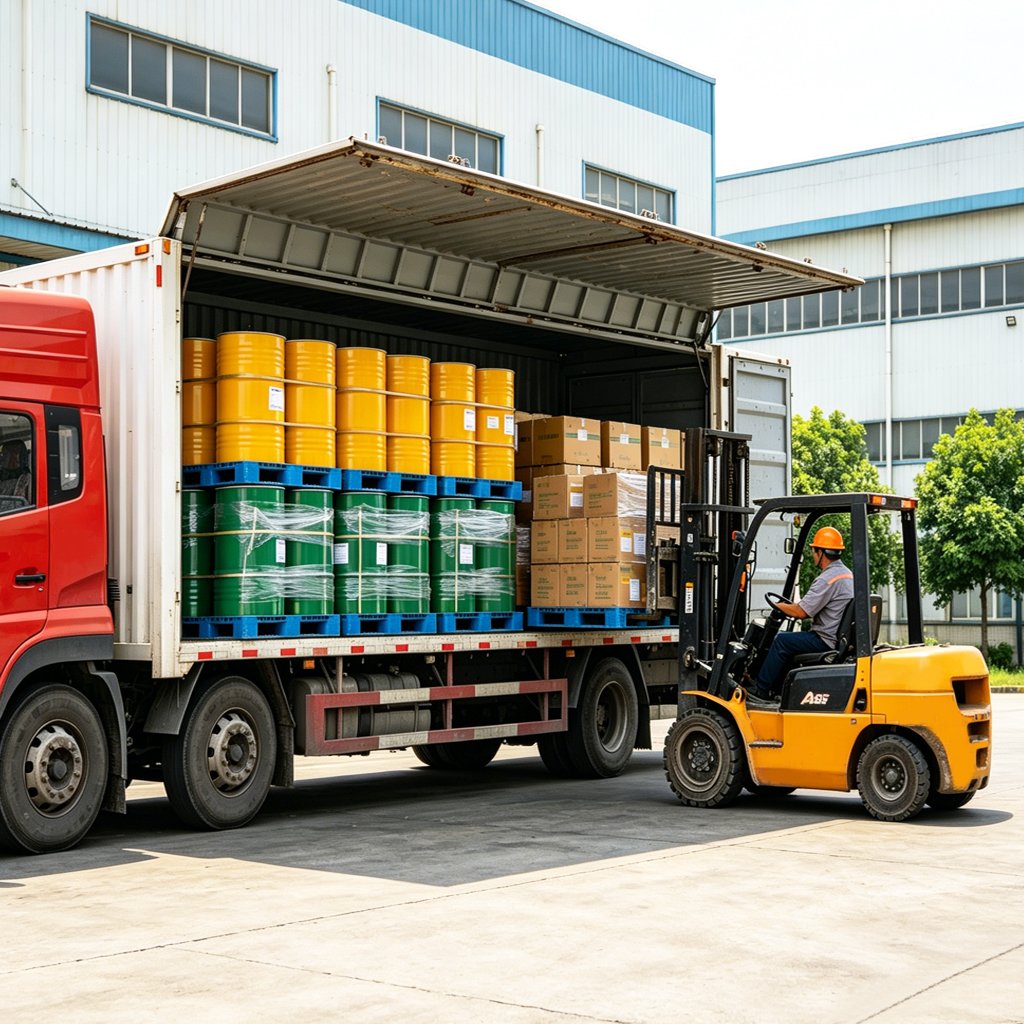
Hazardous Material Transportation
These pallets contain no metal, so they do not spark. This lowers the risk when moving flammable or toxic items. They meet all safety rules for hazardous goods.
Send Your Inquiry
Get an Instant Quote Now
Why Are Our Reinforced Plastic Pallets Better for Heavy-Duty Warehouse Use?
Our reinforced plastic pallets use steel pipes, ribs, and reinforced decks to strengthen load-bearing areas and reduce bending, sagging, cracking, and wear.
Custom Reinforced Plastic Pallets for Bulk Orders
Cargo size, rack dimensions, and handling equipment vary from warehouse to warehouse. We can recommend or customize suitable reinforced plastic pallets based on your actual working conditions.

Custom Size Reinforced Plastic Pallets
We can adjust the pallet length, width, and height according to your cartons, bagged goods, drums, or turnover boxes.
Quote Us
Custom Steel Tube Layout
Steel tube layout is customized to load requirements, with full or partial reinforcement available as needed.
Quote Us
HDPE, PP, Virgin, and Recycled Material Options
We can choose HDPE, PP, virgin material, recycled material, or mixed material based on the working environment.
Quote Us
Branding and Functional Options
We support custom color, brand logo, anti-slip pads, RFID slots, barcode areas, and packing methods.
Quote UsOur plastic rackable pallets are designed for drive-in racking systems. The base sits flat on the rack rails so forklifts can move in and out without getting stuck. We also have reinforced the side walls to handle repeated forklift impact without cracking. These pallets also work well in low temperatures, ideal for cold chain warehouses with frequent operations.

1000×1200 Rackable Plastic Pallet
Quote Us1100×1100 Rackable Plastic Pallet
Quote Us1165×1165 Rackable Plastic Pallet
Quote Us1200×800 Rackable Plastic Pallet
Quote Us1200×1000 Rackable Plastic Pallet
Quote Us1200×1100 Rackable Plastic Pallet
Quote Us1219 × 1016 Rackable Plastic Pallet
Quote UsAS/RS systems rely on precision. Our AS/RS pallets are made to a strict ±1–2 mm dimensional tolerance, so stacker cranes can position them accurately in every storage and retrieval cycle. We also reinforce long-term creep resistance. The HDPE surface will not shed or create debris, so it will not interfere with your conveying equipment.
1100×1100 Rackable Plastic Pallet
Quote Us1200×800 Rackable Plastic Pallet
Quote Us1200×1000 Rackable Plastic Pallet
Quote Us1219 × 1016 Rackable Plastic Pallet
Quote UsWhy Choose Us as Your Reinforced Plastic Pallet Supplier?
Since 2000, we have specialized in manufacturing reinforced plastic pallets. With production bases in Shanghai and Ningbo, ISO 9001 and ISO 14001 certified management, and over 20 years of industry experience, we provide stable product quality and customized solutions for different applications. Our products are exported to more than 180 countries, serving importers, wholesalers, distributors, and project buyers worldwide.
We ensure reinforced pallets meet strict quality standards, checking steel tube placement, runner alignment, pallet weight, deck flatness, fork entry, and rack support details. Before export, pallets are securely packed, optimized for container loading, and supported with all necessary documentation and certifications for smooth international shipping.
Send Your InquiryWe ensure reinforced pallets meet strict quality standards, checking steel tube placement, runner alignment, pallet weight, deck flatness, fork entry, and rack support details. Before export, pallets are securely packed, optimized for container loading, and supported with all necessary documentation and certifications for smooth international shipping.
What are the advantages of reinforced plastic pallets compared to ordinary plastic pallets?
Reinforced plastic pallets offer higher load capacity, greater resistance to bending, and more stable construction than standard plastic pallets. They are ideal for heavy-duty handling, rack storage, frequent forklift use, and long-term warehouse circulation, helping businesses reduce pallet deformation, breakage, and replacement costs.
Can steel-reinforced plastic pallets be used on racks?
Yes, but it depends on the bottom structure, steel tube position, beam spacing, and cargo weight. Not every pallet with steel tubes is suitable for every rack system.
Do more steel tubes always mean better performance?
The number of steel tubes should be designed according to the pallet size, load direction, cargo weight, and racking structure. Too many steel tubes can increase cost and pallet weight.
Which material is better for reinforced plastic pallets, HDPE or PP?
It depends on the working environment. HDPE is better for low temperatures, wet areas, and high-impact use. PP has higher rigidity, so it is better for indoor storage at normal temperatures.
What is the minimum order quantity for reinforced plastic pallets?
Our MOQ is 300 pieces. For custom size, color, logo, or steel tube layout, the final MOQ may depend on the specific pallet model and production plan.
How do I choose between a 3-runner base and full perimeter bottom pallet
The choice depends on your rack beam spacing, pallet orientation, and load distribution. Full perimeter bottoms provide better weight distribution and stability, while 3-runner pallets are lighter and easier to handle for certain forklift operations.
How do reinforced pallets perform in automated warehouse systems?
Reinforced pallets are compatible with conveyors, AGVs, and stacker cranes if the pallet dimensions, flatness, and weight are within equipment specifications. Custom options can be designed to meet automated handling requirements.
Need Reinforced Plastic Pallets for Heavy Loads or Rack Storage?
Send us your pallet size, cargo weight, rack type, handling equipment, order quantity, and destination port.
We will recommend a suitable pallet structure based on your real warehouse use.