
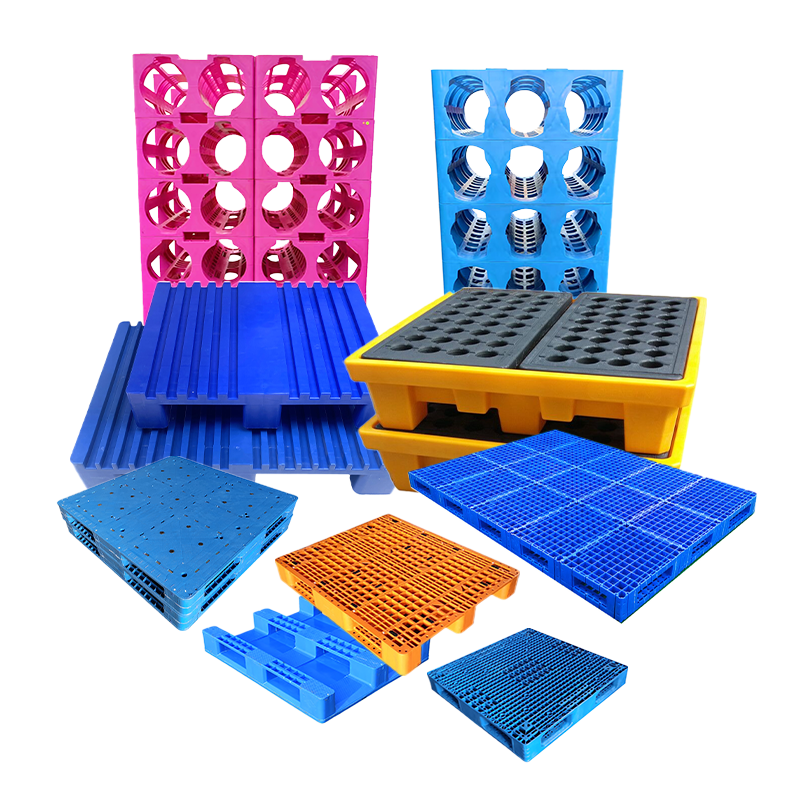










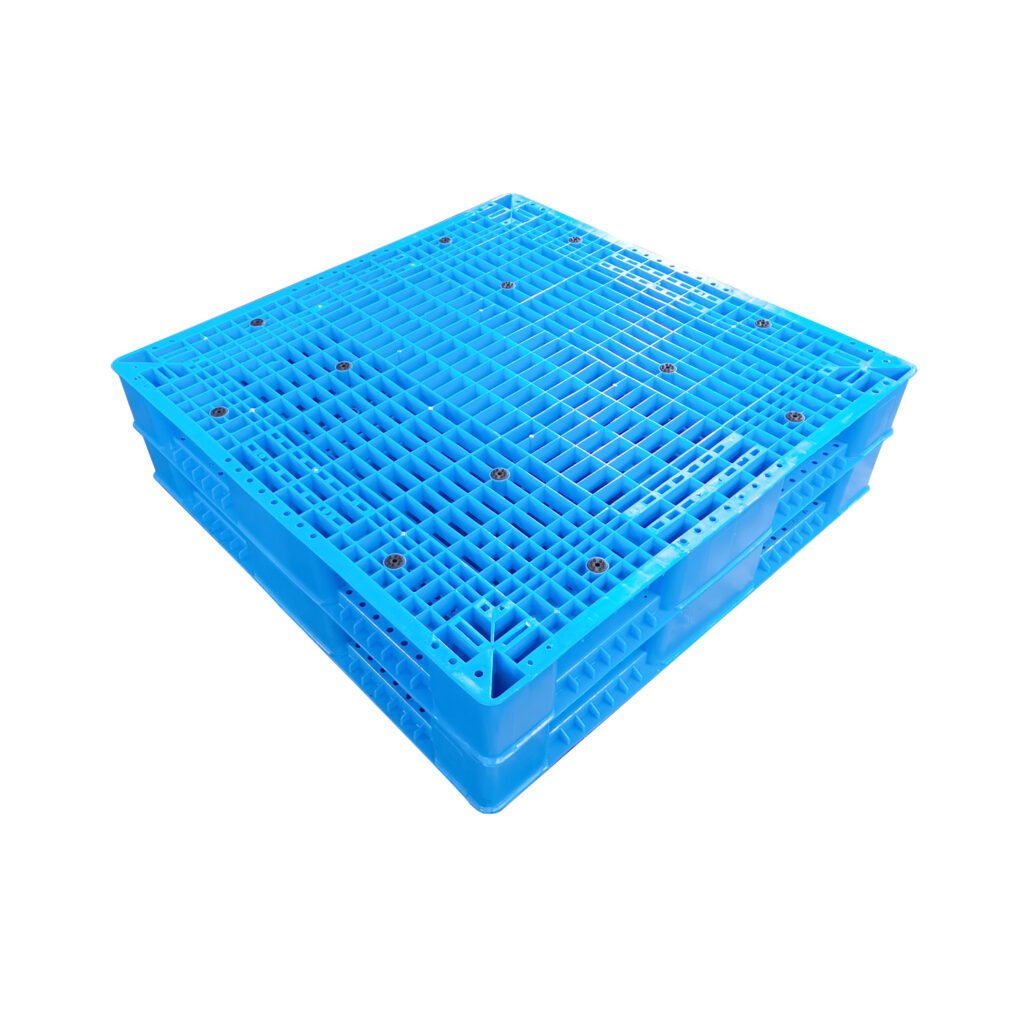
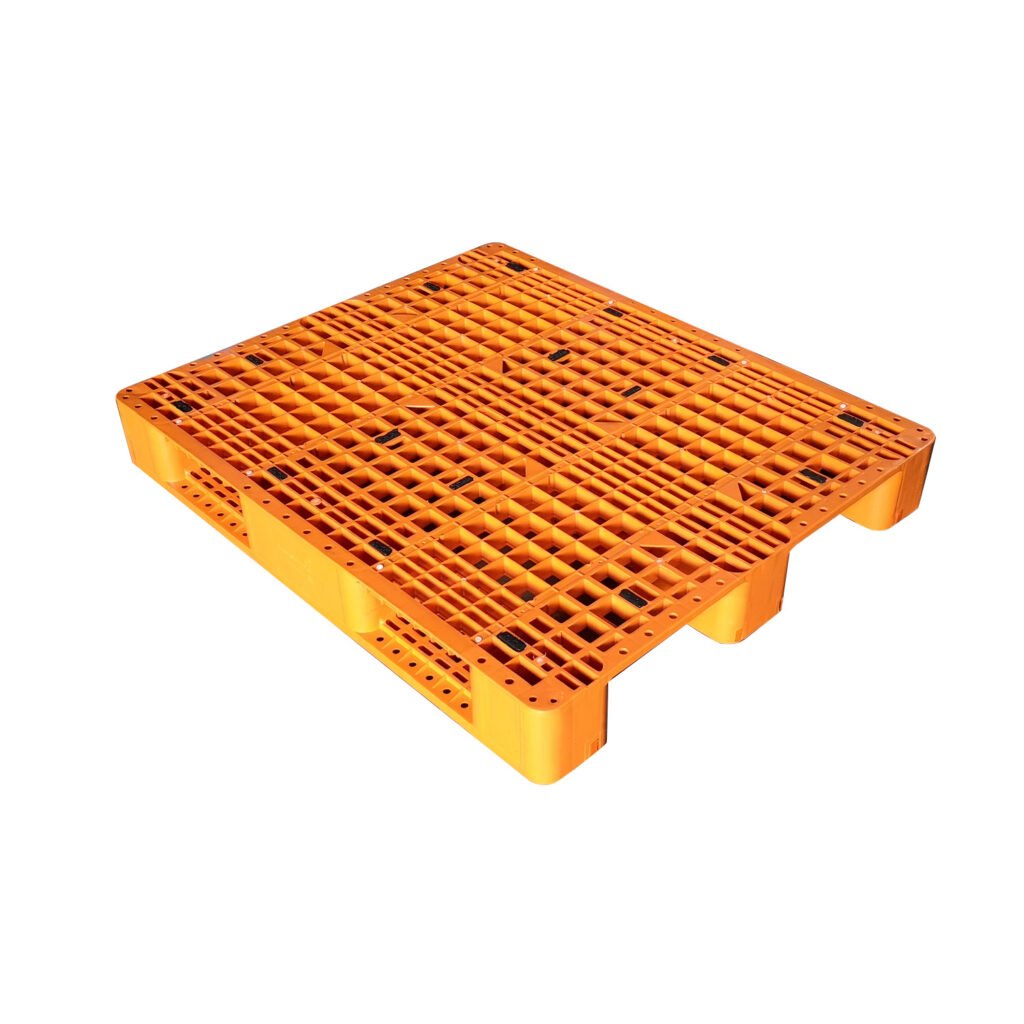
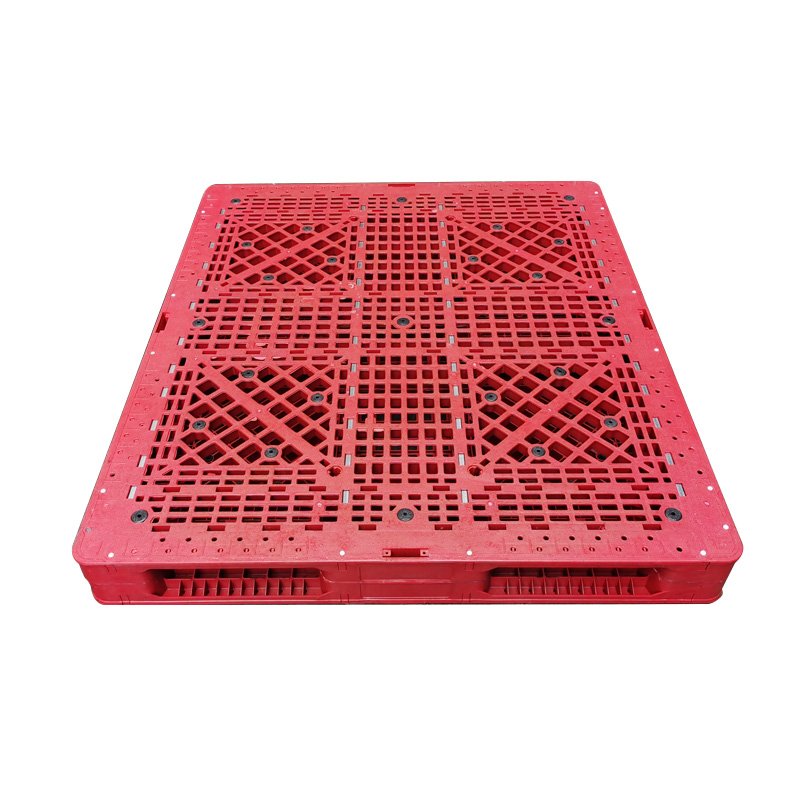
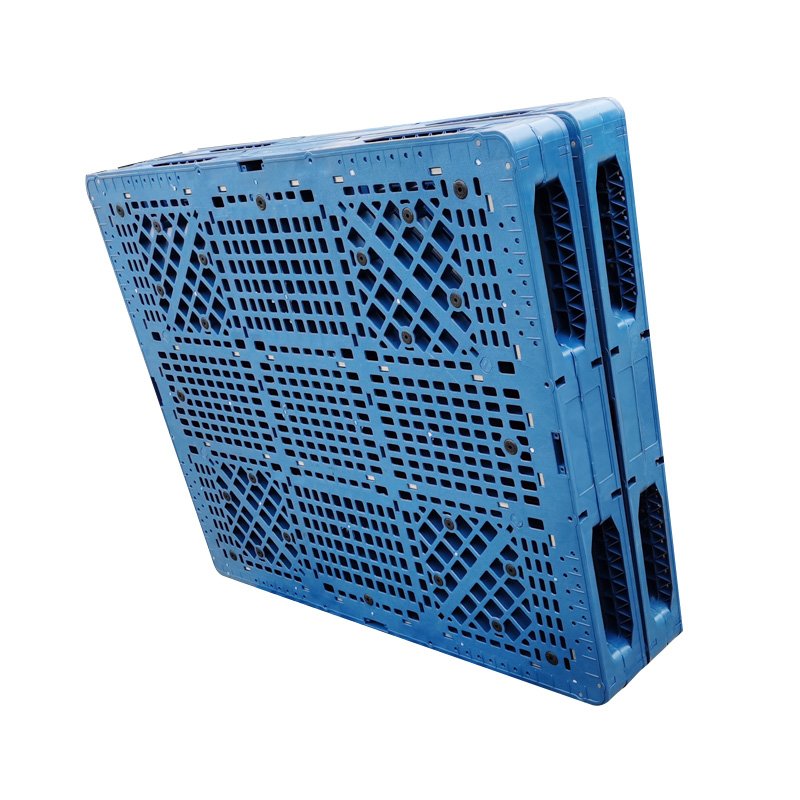
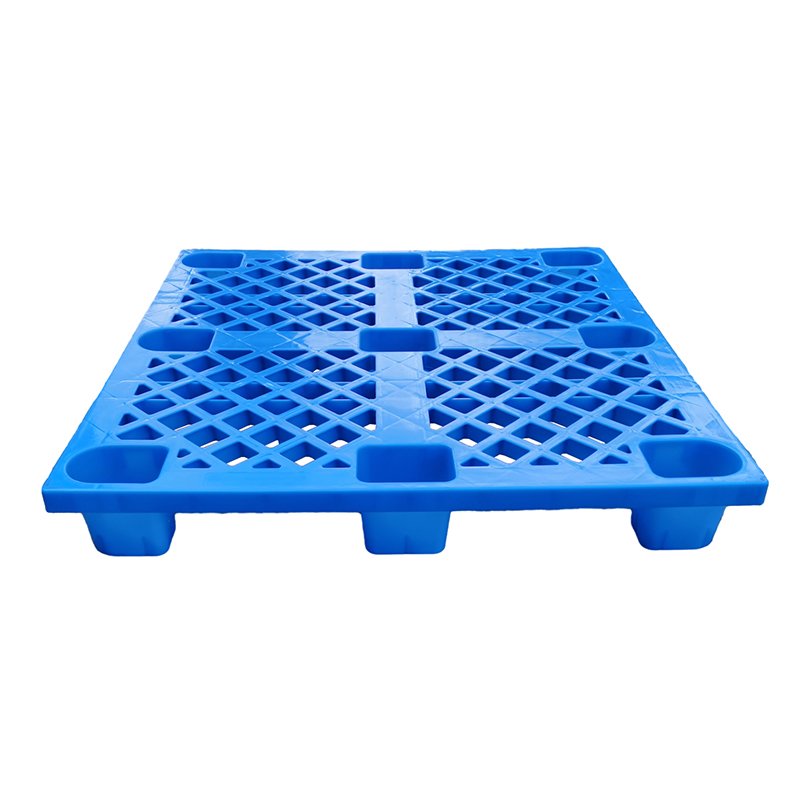
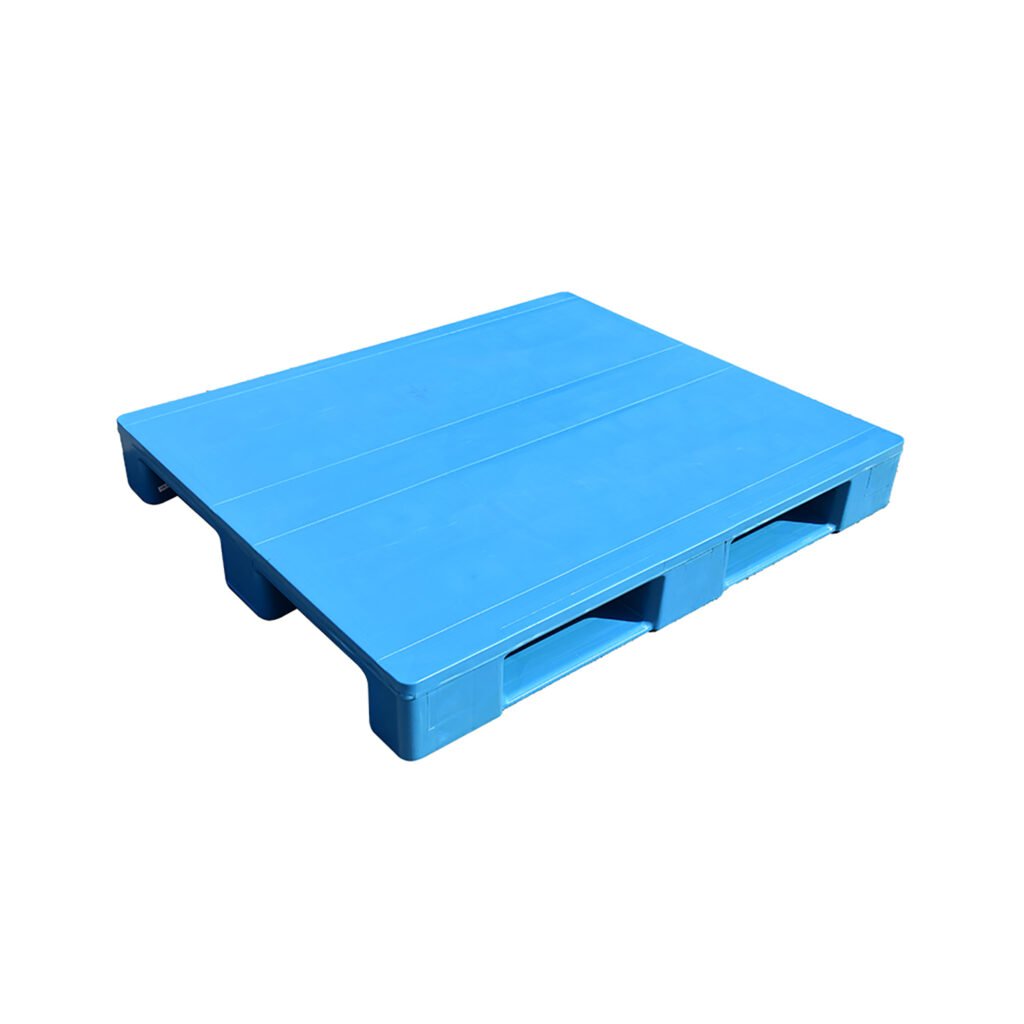
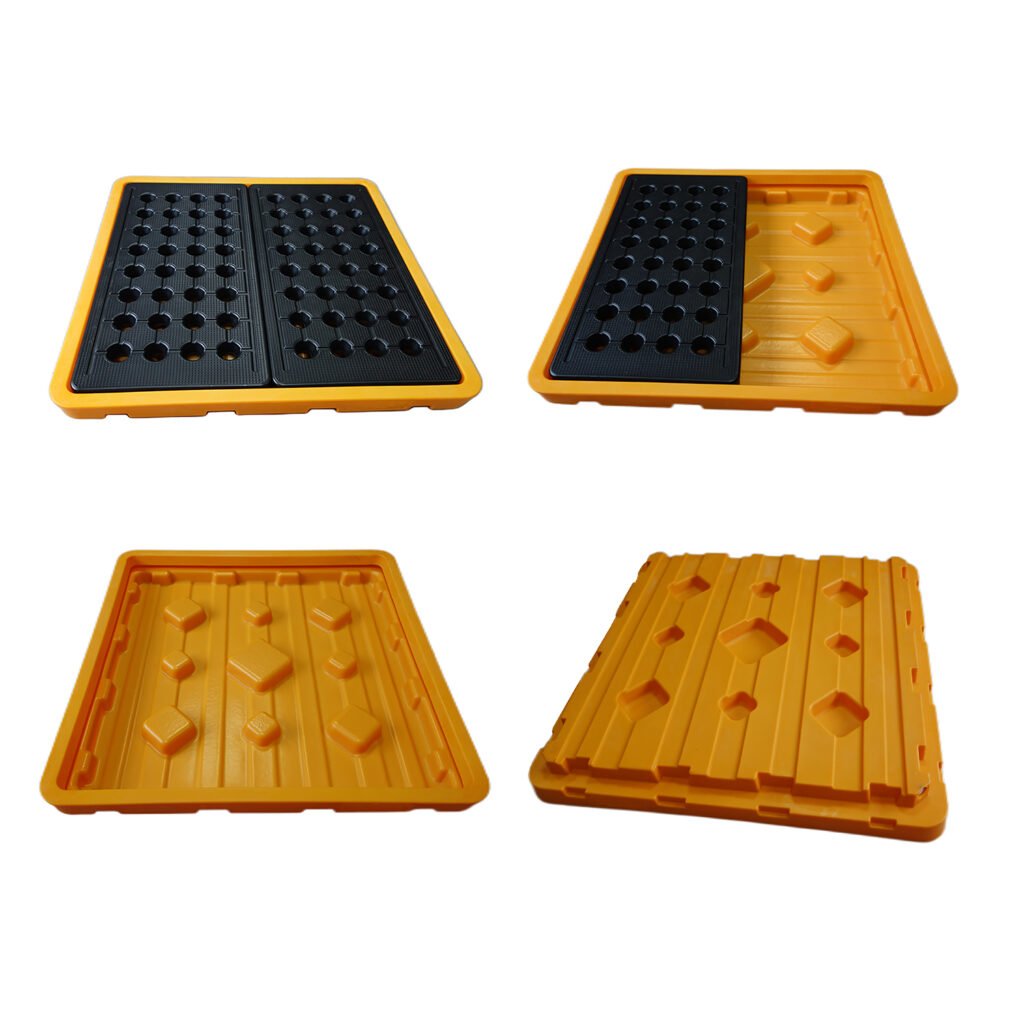
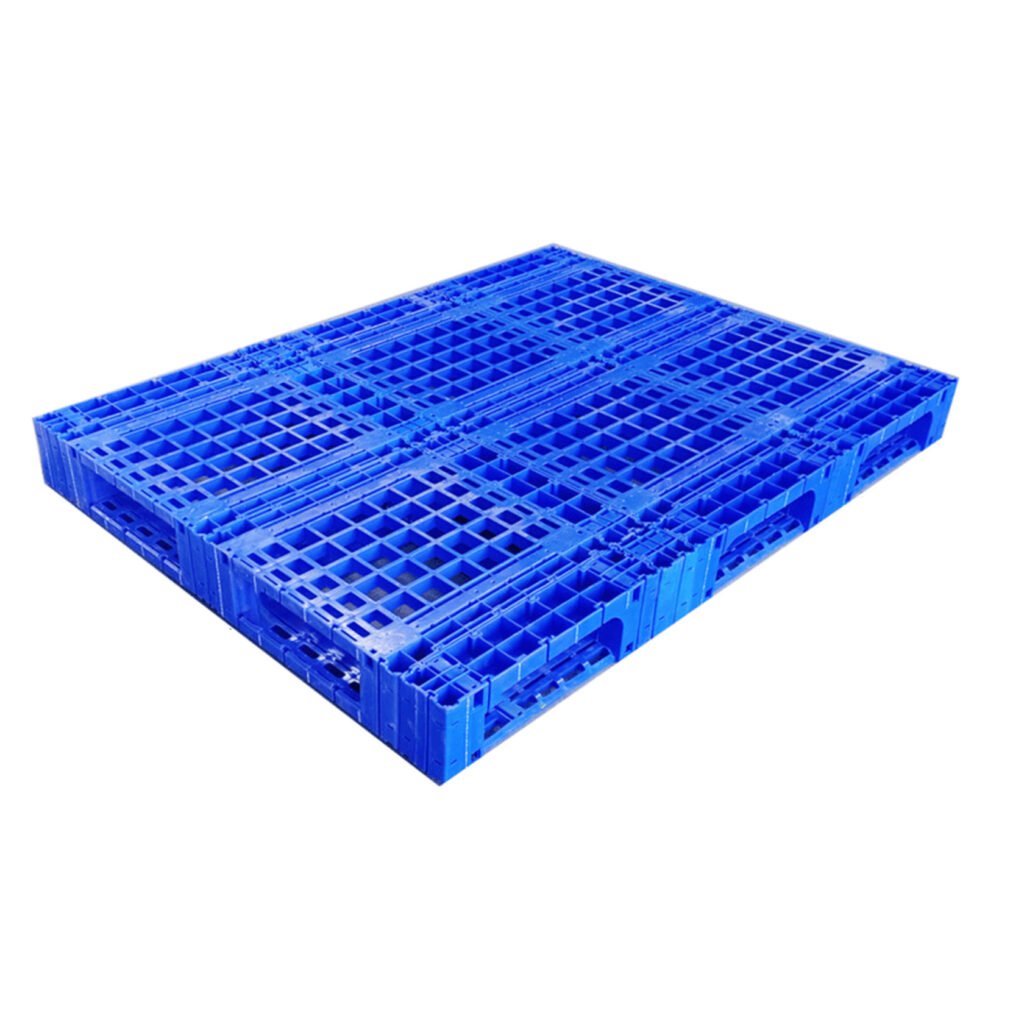
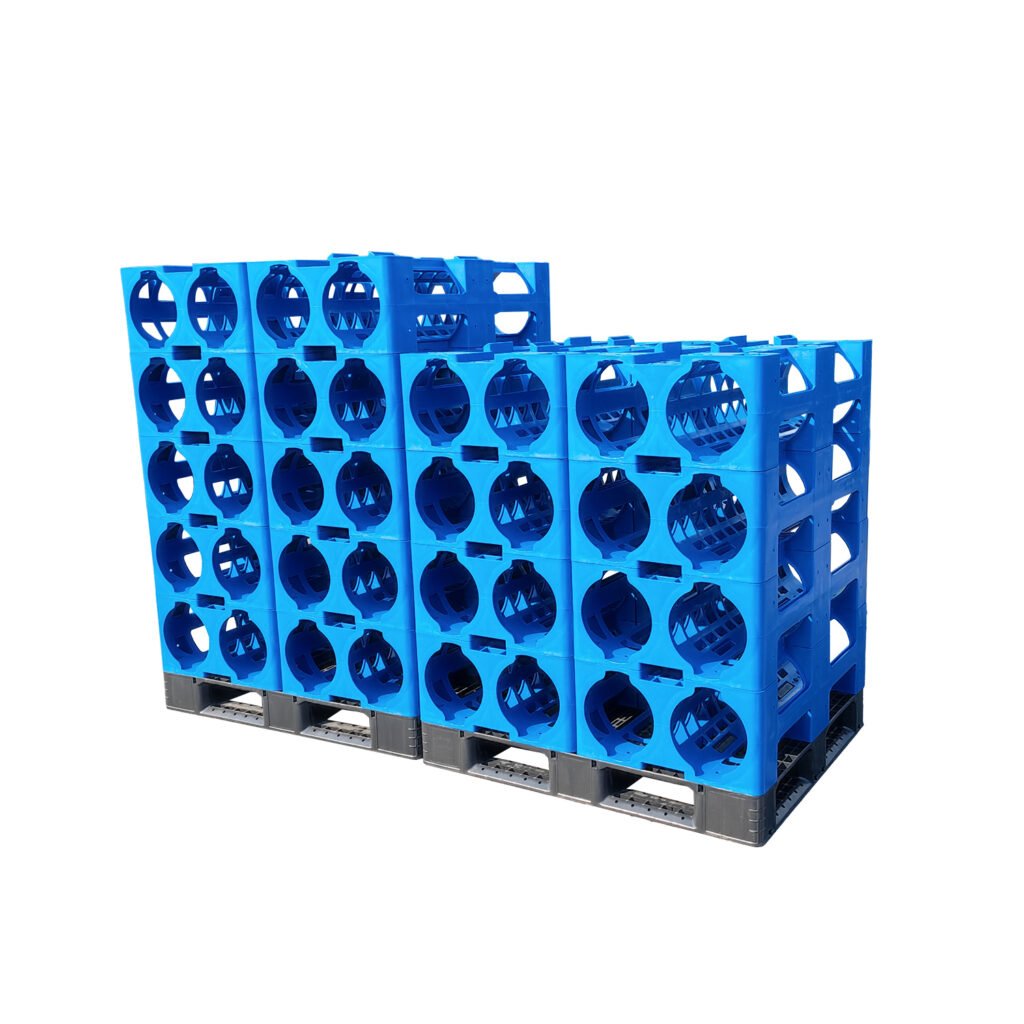
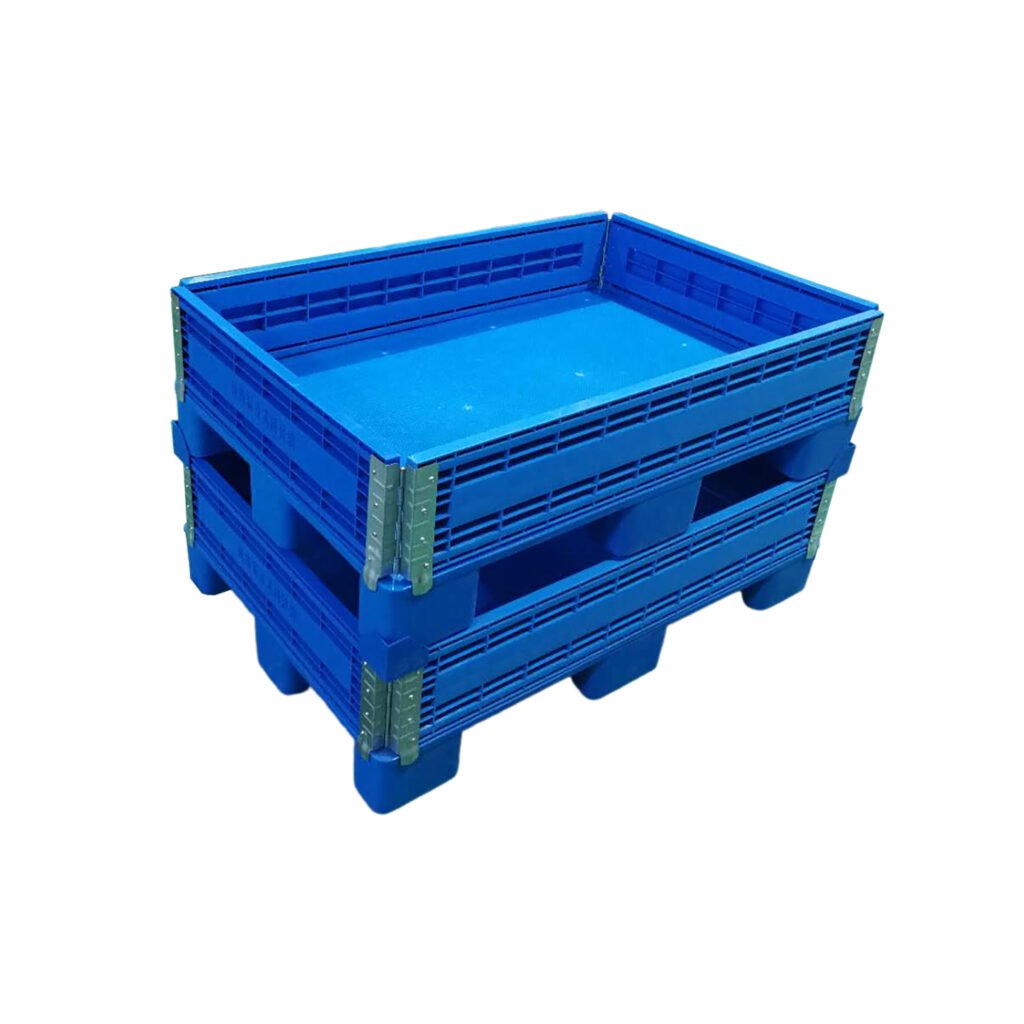
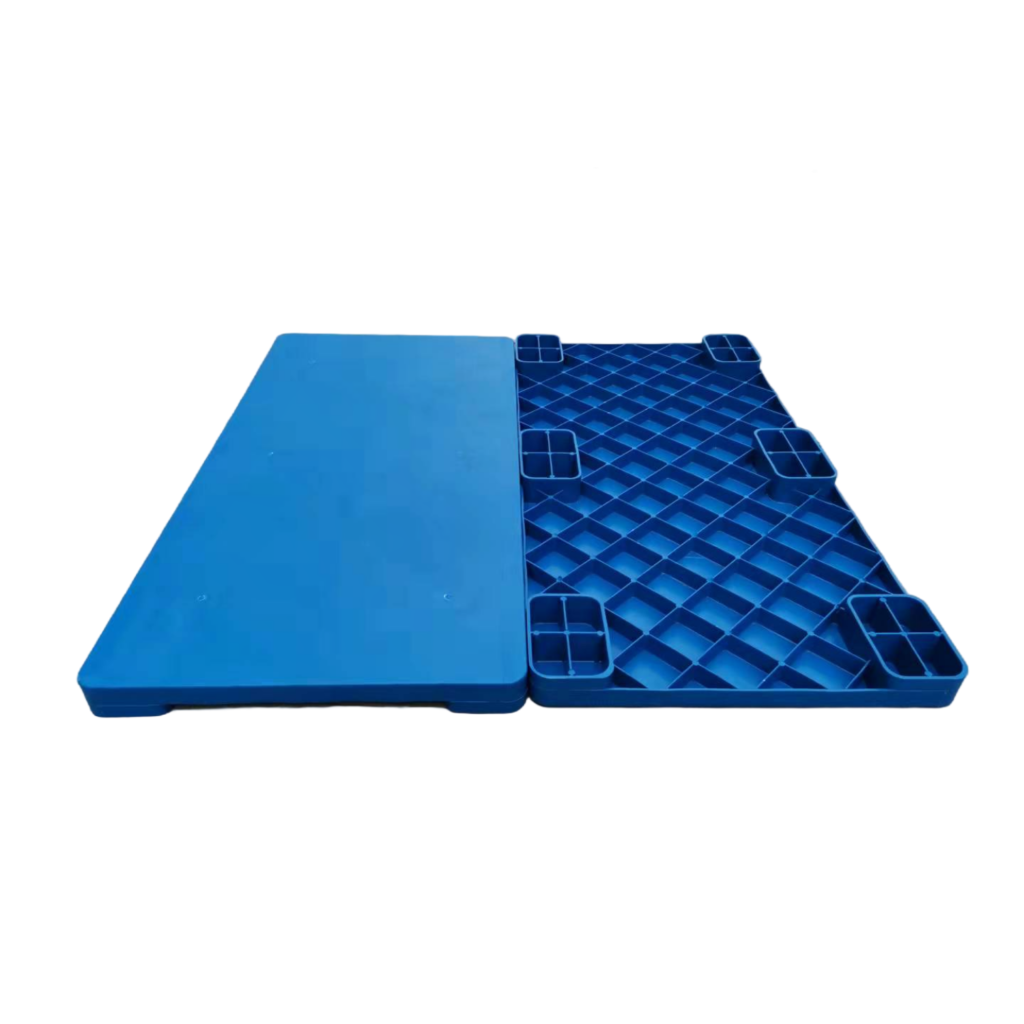
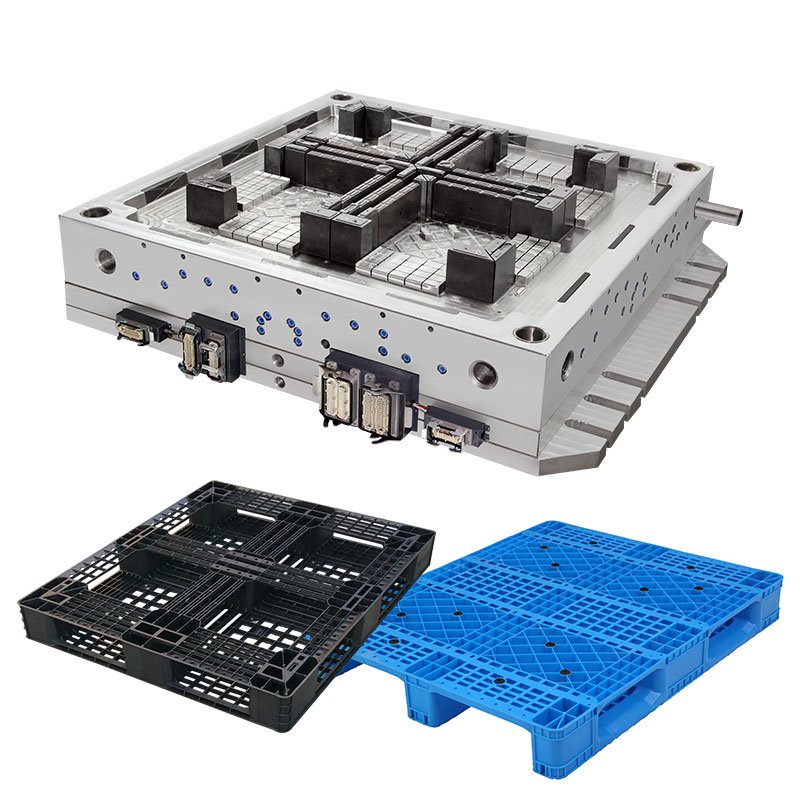
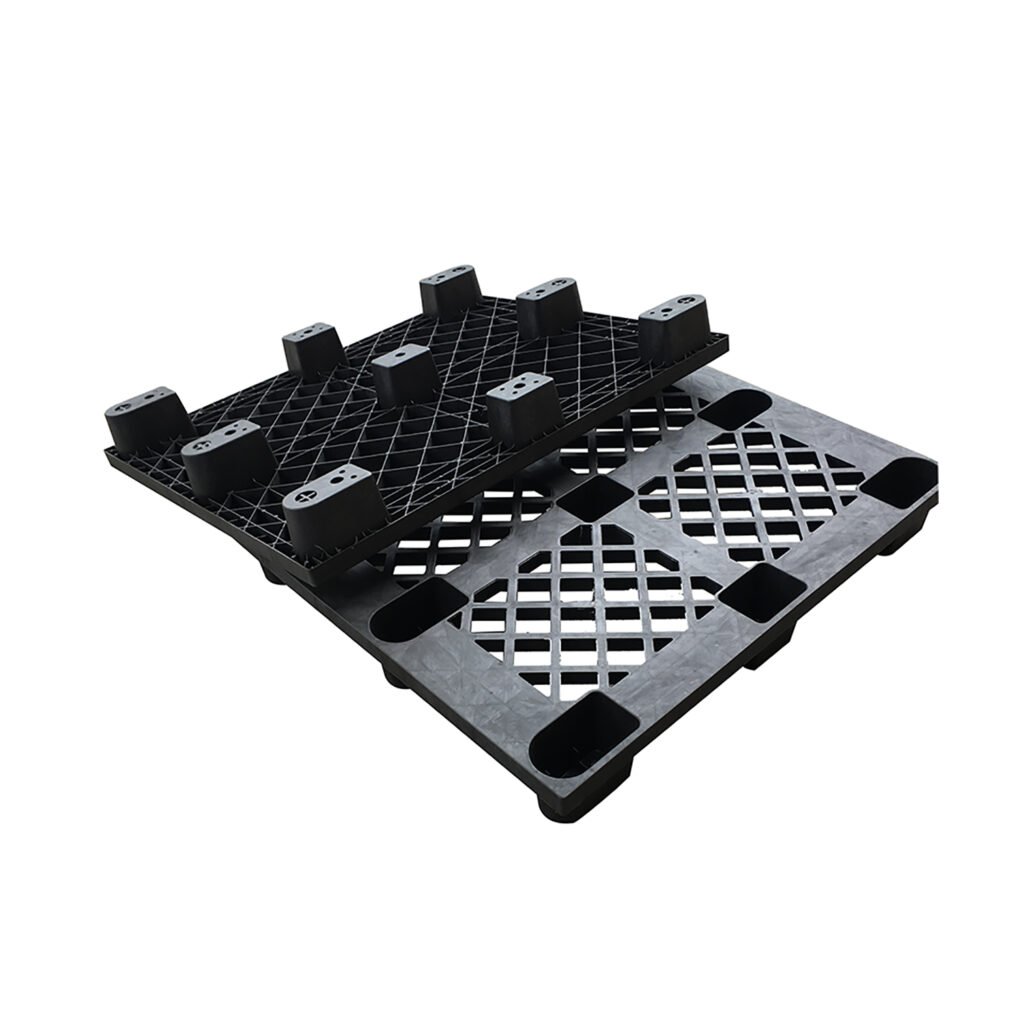
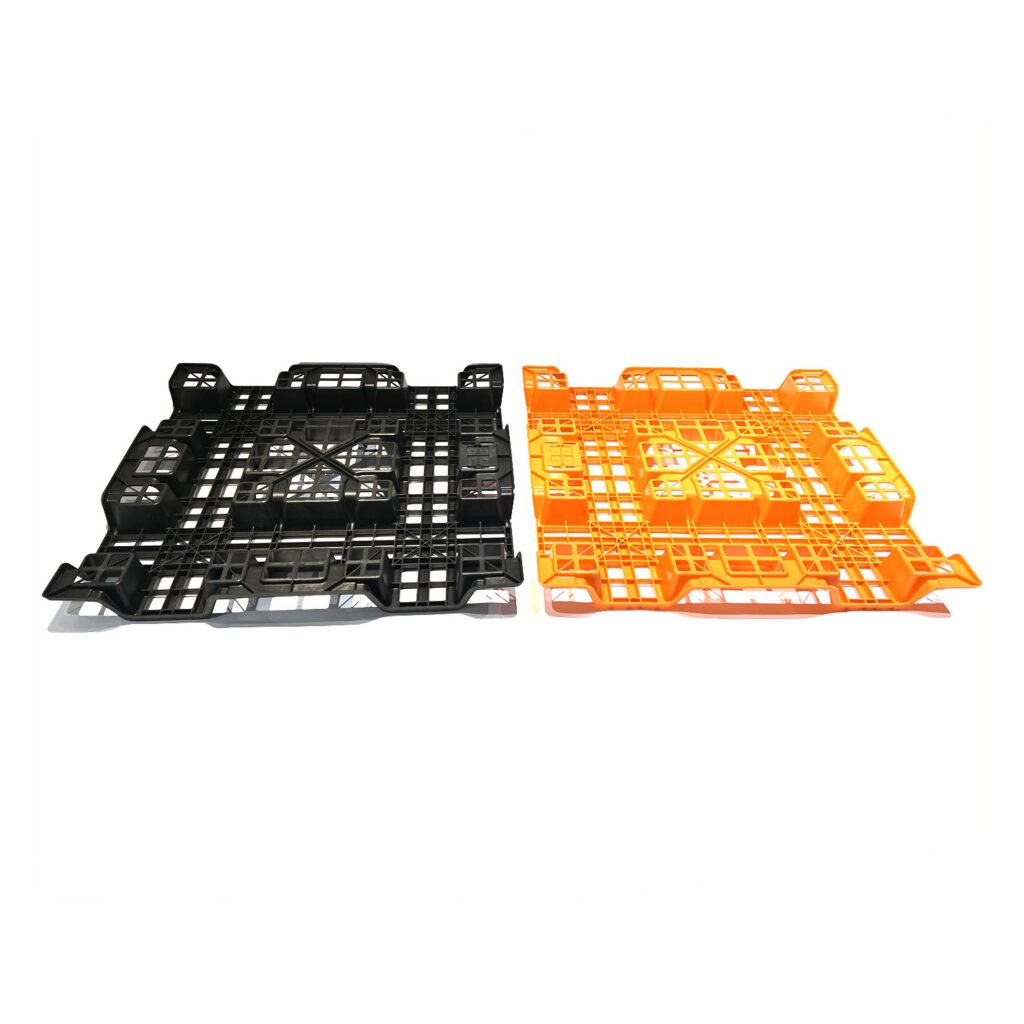
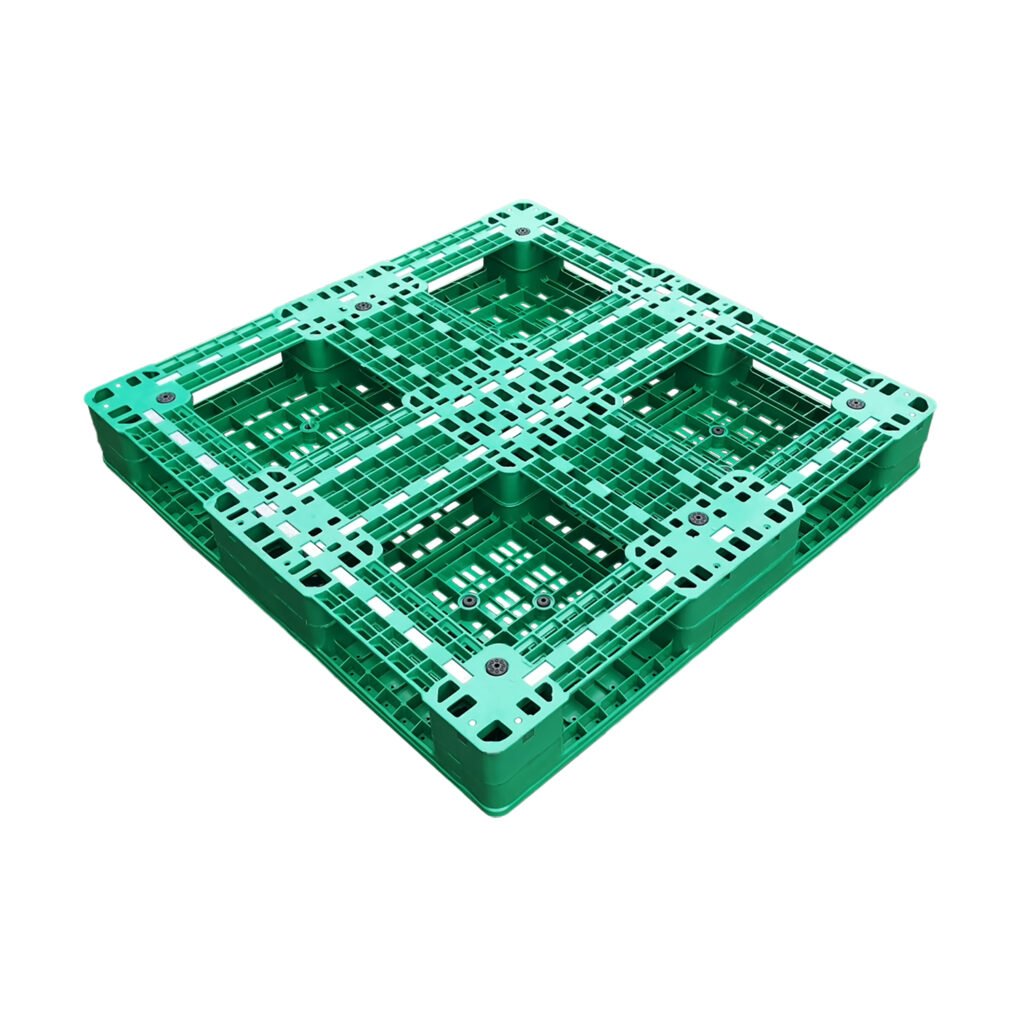
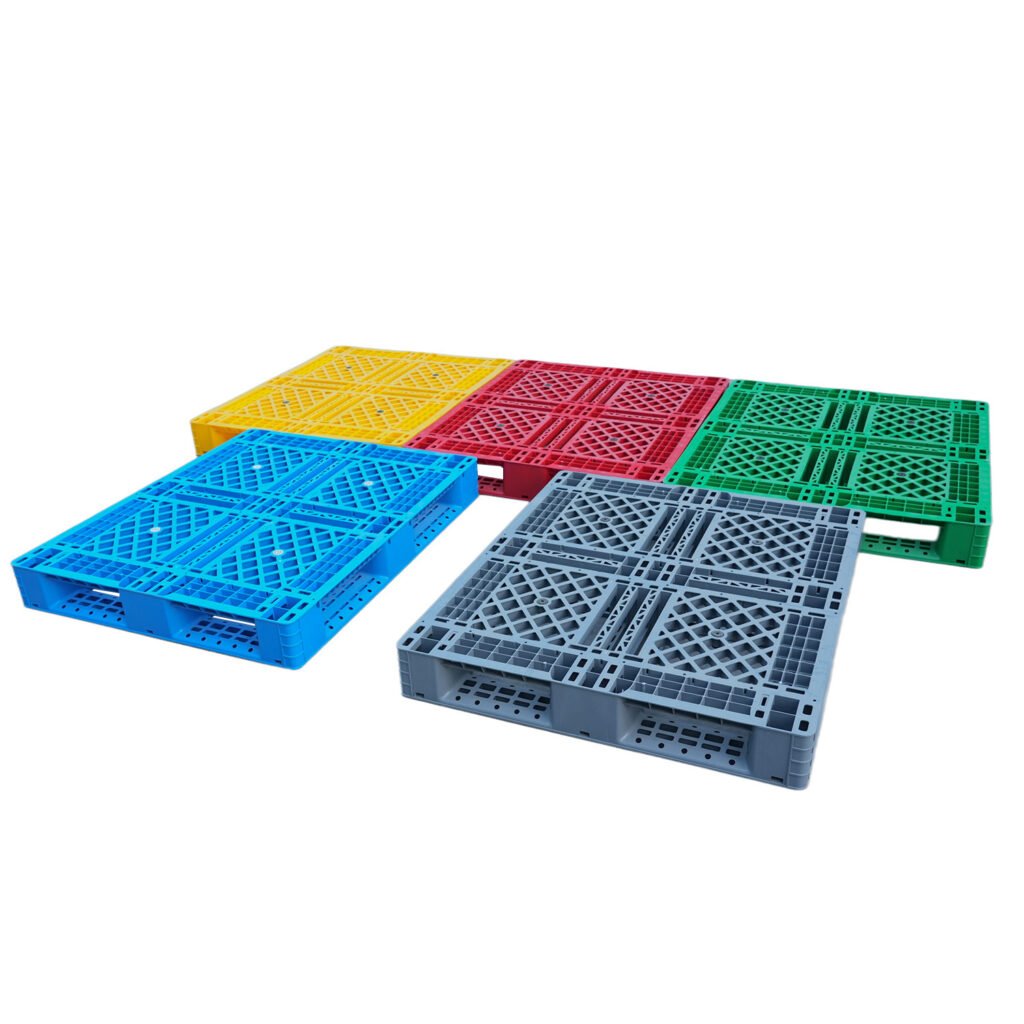
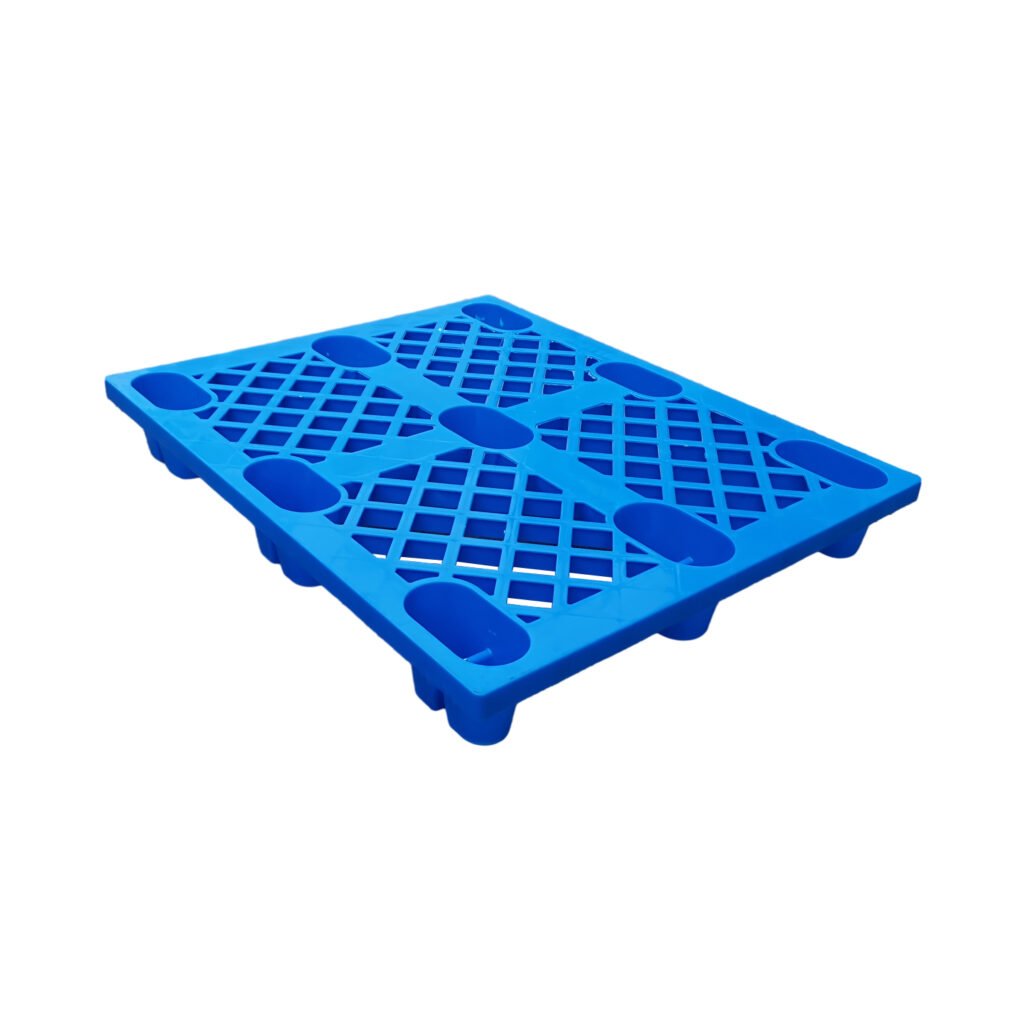

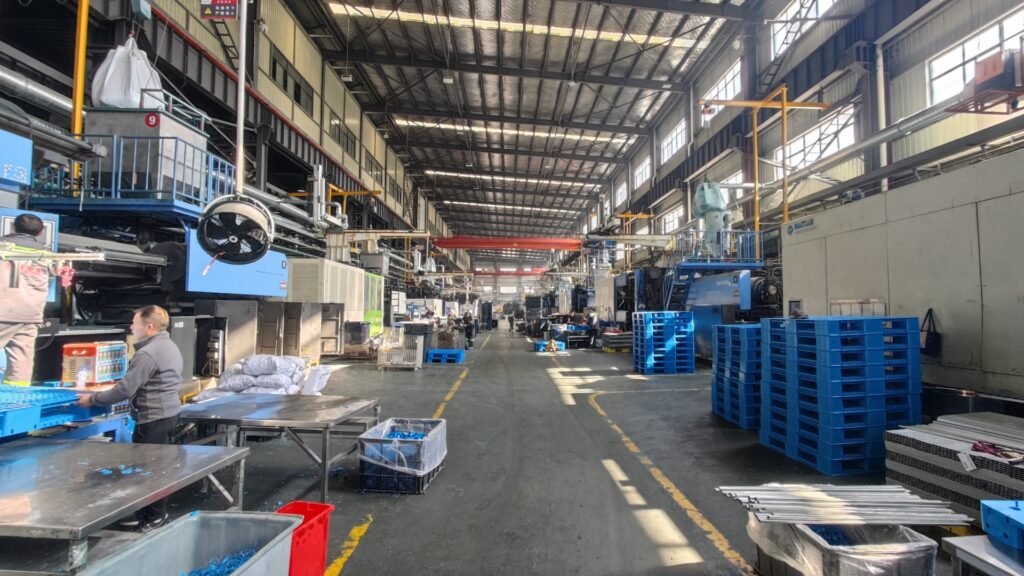
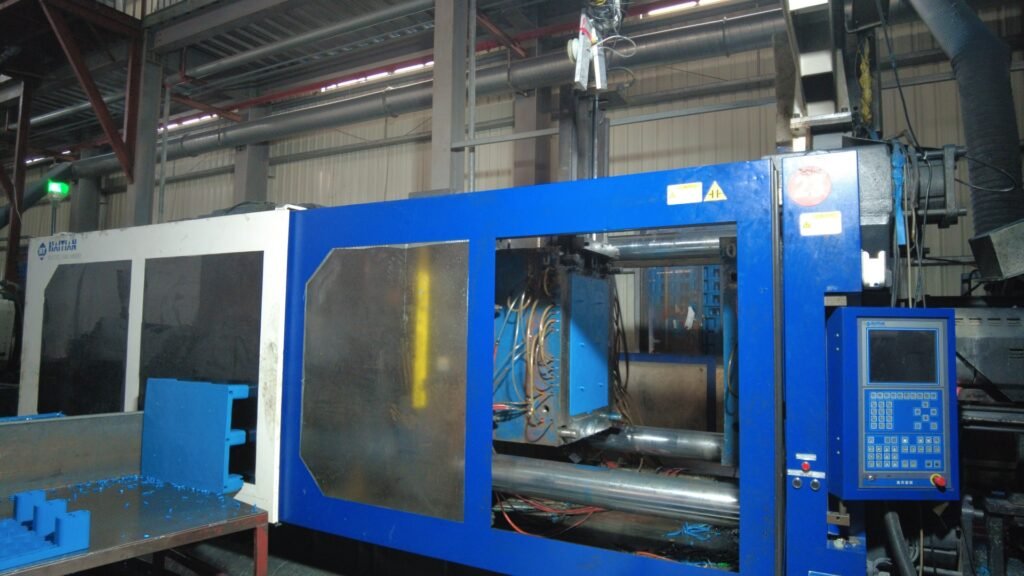
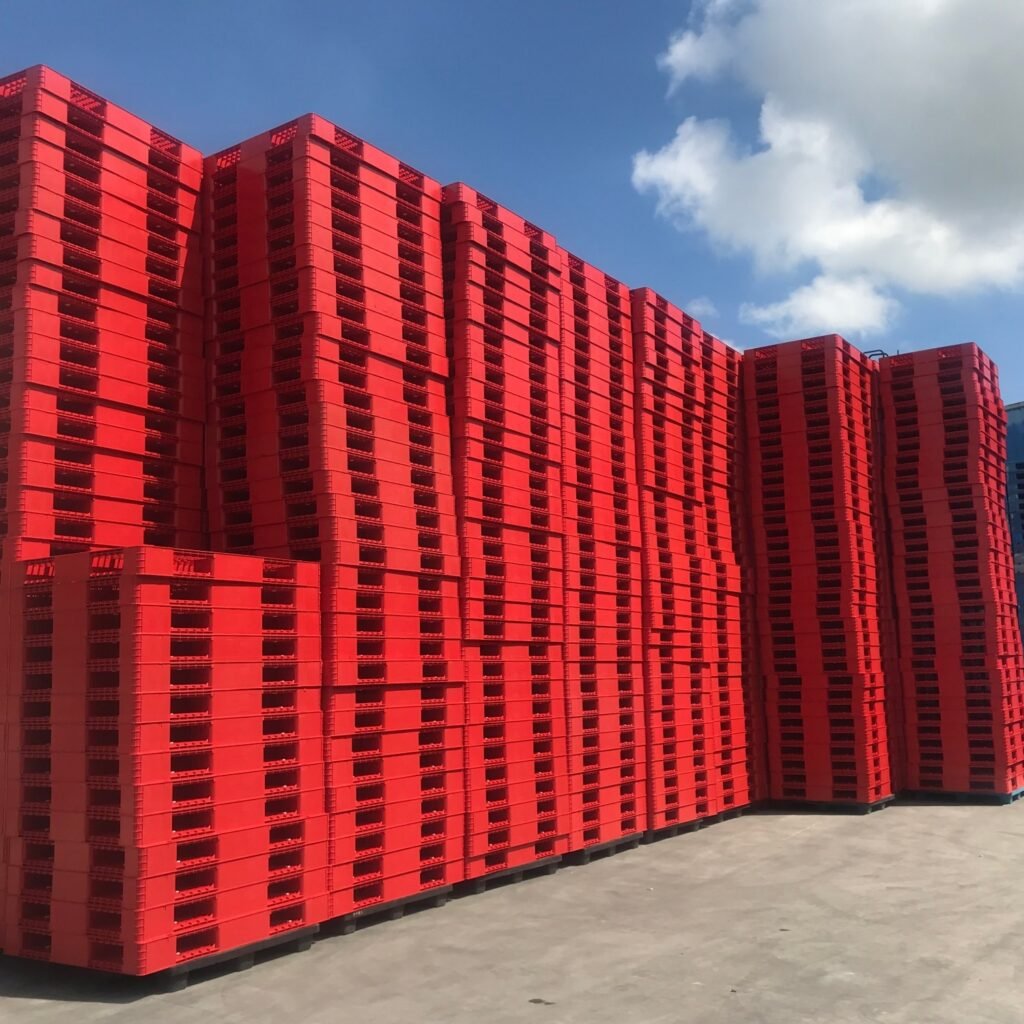
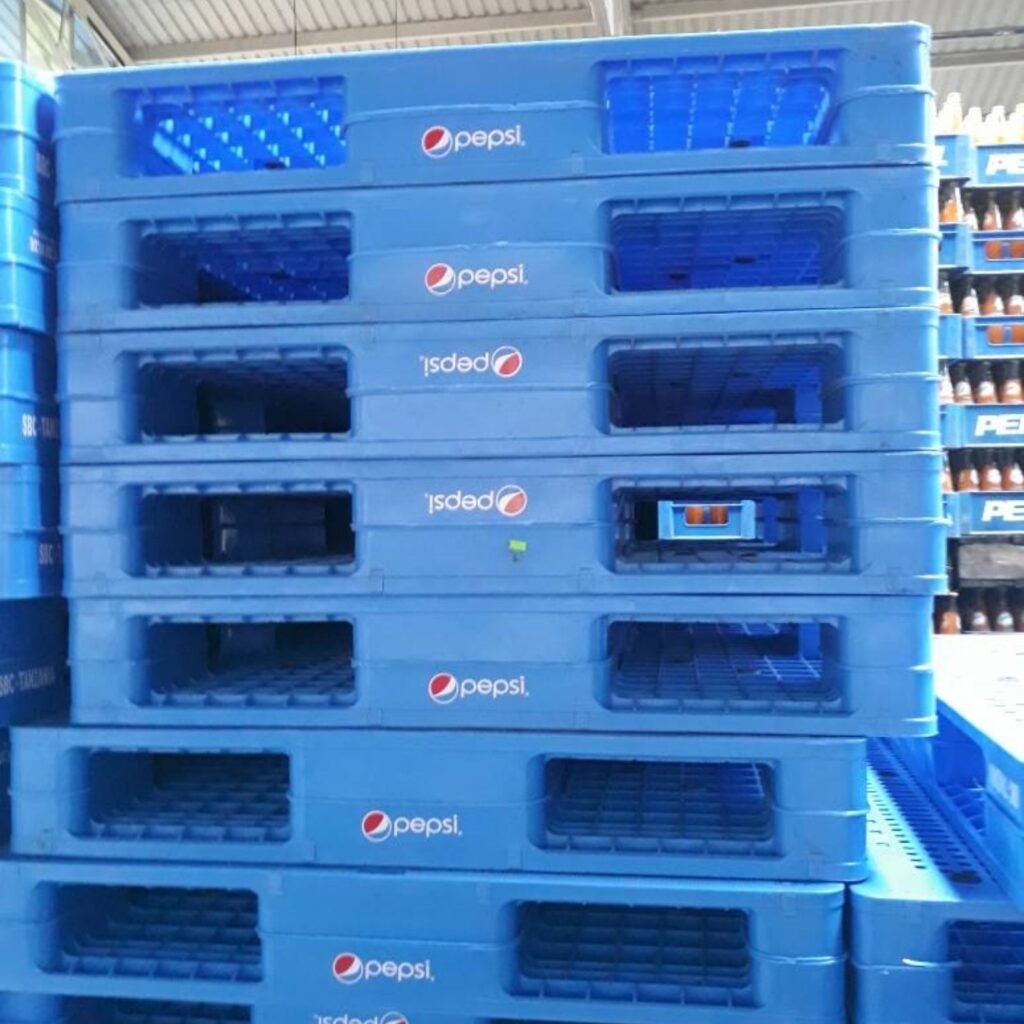


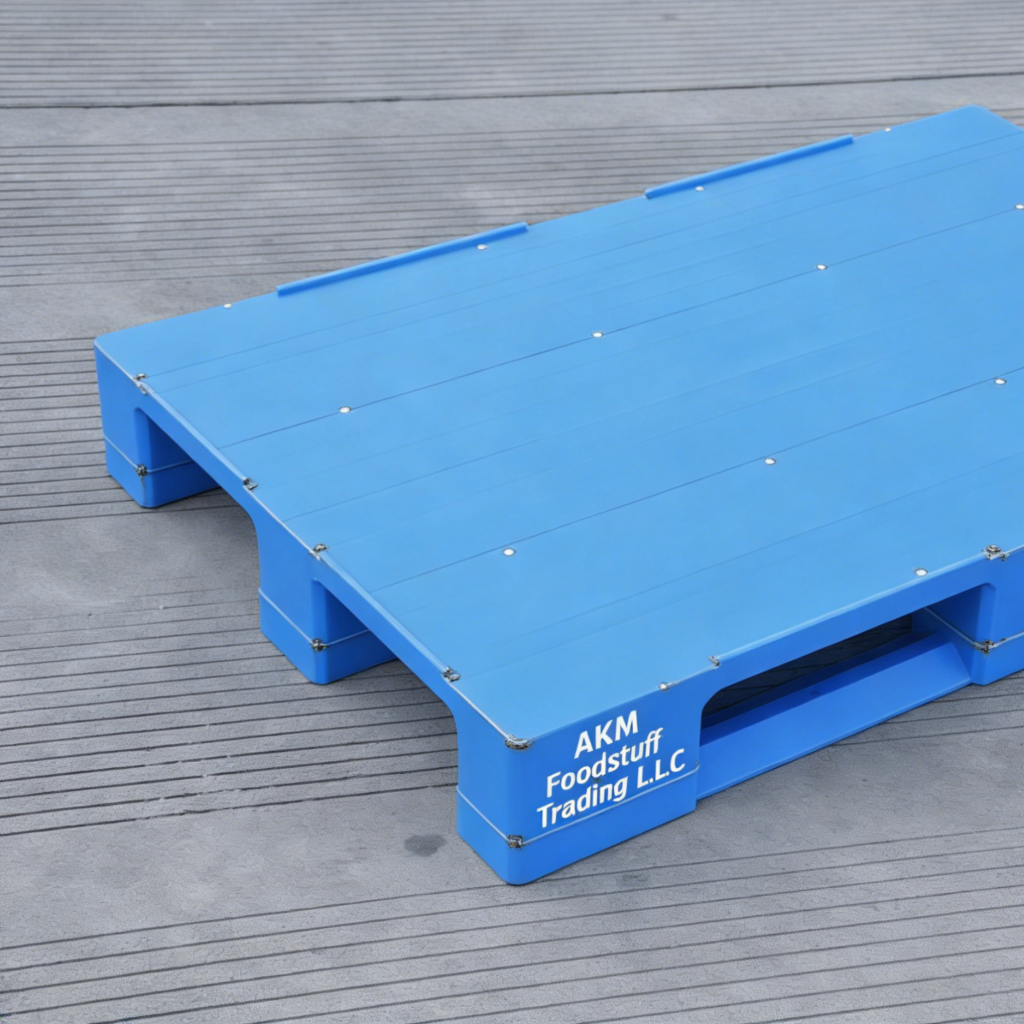
A seemingly ordinary pallet choice may quietly increase logistics costs and even cause cargo damage, frequent replacements, and additional expenses. Why are more and more companies choosing plastic pallets? The answer is not only durability, but also a more efficient and reliable logistics solution. This article will take you through the materials, types, and application scenarios of plastic pallets, and how to choose a plastic pallet that suits your needs.
What is a Plastic Pallet?
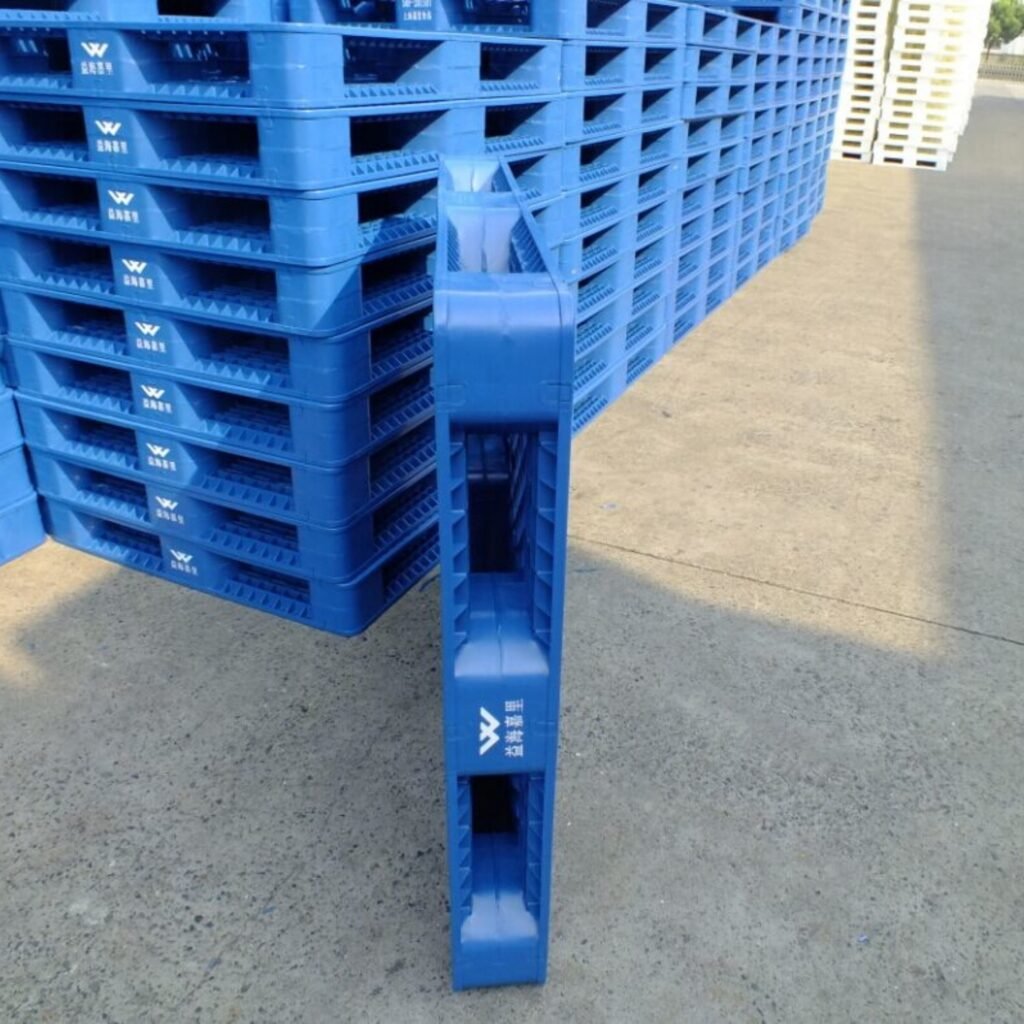
A plastic pallet is a logistics platform made from plastic materials such as HDPE and PP, designed to support, handle, and store goods. As an important part of unit load transportation, plastic pallets help connect your products from the production stage to warehousing, distribution, and end markets throughout the supply chain.

What Materials Are Plastic Pallets Made From?
Common plastic pallet materials include HDPE, PP, and LLDPE. Different materials vary in rigidity, impact resistance, temperature adaptability, and service life
HDPE Plastic Pallets
HDPE is one of the most widely used materials for plastic pallets. It offers excellent impact resistance, moisture resistance, and chemical resistance, making it suitable for logistics environments requiring long-term reuse. If your supply chain involves cold chain, humid environments, or frequent handling, HDPE pallets can usually provide more stable performance.

PP Plastic Pallets
PP material provides higher rigidity and dimensional stability. If your warehouse uses automated conveyor systems, or your applications involve manufacturing, automated storage, or high dimensional accuracy requirements, PP plastic pallets are often a more suitable choice.

H3:LLDPE Plastic Pallets
LLDPE offers good flexibility and impact resistance. Compared with high-rigidity materials, LLDPE can absorb more external impact, making it ideal for logistics environments with frequent handling and complex operating conditions. If your pallets are often affected by collisions, manual handling, or long-distance transportation, LLDPE materials can help improve operational stability.

Virgin Plastic vs Recycled Plastic Pallets
Choosing between Virgin Plastic Pallets and Recycled Plastic Pallets is not simply about comparing prices. It requires considering your service cycle, hygiene requirements, and long-term operating costs.
- Virgin Plastic Pallets
If you need more stable dimensional performance, longer service life, and higher hygiene standards, virgin plastic pallets are the ideal choice. Virgin materials can usually meet more demanding application requirements.
- Recycled Plastic Pallets
If your applications mainly involve one-way transportation, export shipping, or cost-sensitive operations, recycled plastic pallets provide a more economical solution.

It is important to note that the performance of recycled plastic pallets depends on the quality of raw materials and manufacturing processes. They can typically support 5-15 reuse cycles.
Plastic Pallets vs Wooden Pallets: Which Is Better?

Plastic Pallets vs. Wooden Pallets
- Initial Cost: Plastic pallets have a higher upfront cost, while wooden pallets generally have a lower initial cost.
- Reuse Cycles: Plastic pallets can support up to 200+ reuse cycles, while wooden pallets typically support around 5–6 cycles.
- Service Life: Plastic pallets generally have a service life of 7–10 years, compared with around 3–5 years for wooden pallets.
- Moisture Resistance: Plastic pallets do not absorb water, while wooden pallets can absorb moisture.
- Fungus Resistance: Plastic pallets do not support fungus growth, while wooden pallets may require treatment in humid environments.
- Hygiene Performance: Plastic pallets are easier to clean and are suitable for food and pharmaceutical applications, while wooden pallets are more difficult to sanitize.
- Closed-Loop Logistics: Plastic pallets are well suited for reusable logistics systems and repeated circulation, while wooden pallets are less suitable for closed-loop logistics.
- Export Shipping: Plastic pallets generally do not require fumigation, while wooden pallets require ISPM-15 treatment for international shipping.
- Dimensional Stability: Plastic pallets can maintain a dimensional tolerance of around ±2 mm, while wooden pallets naturally have greater dimensional variation.
- Recycling: Plastic pallets are recyclable, while wooden pallets are biodegradable.
Choosing The Right Plastic Pallet For Your Company
When choosing plastic pallets, many buyers focus on the price at first glance. However, the real factors that affect the total cost are long-term durability, compatibility, and maintenance requirements.
If you want to reduce replacement frequency, improve logistics efficiency, and lower long-term operating costs, consider the following five key factors.
Consider Application Requirements
- Food, beverage, and pharmaceutical industries: Food Pallets, Hygienic Plastic Pallets, and Pharmaceutical Plastic Pallets are suitable for applications with high hygiene requirements and frequent cleaning.
- High-frequency returnable logistics, 3PL, and pallet pooling systems: Reusable Plastic Pallets support long-term circulation and can help reduce replacement costs.
- Cold chain and low-temperature environments: HDPE Plastic Pallets are suitable for low-temperature applications. Virgin HDPE pallets can operate in temperatures ranging from -40℃ to 70℃.
- Chemical drums and liquid transportation: Spill Containment Pallets and Plastic Drum Pallets provide additional leak protection.
- Bottled water and beverage distribution: Bottled Water Pallets and 5 Gallon Water Bottle Racks are designed for beverage handling and distribution.
- Automotive parts and industrial logistics: Automotive Plastic Pallets and Heavy Duty Plastic Pallets are suitable for high-load and frequent-use applications.
- Export transportation: Export Plastic Pallets and One-Way Plastic Pallets are suitable for international shipping and one-way logistics.
Consider Plastic Pallet Load Capacity
- Export shipping, lightweight packaging, and one-way logistics: Lightweight Plastic Pallets are typically suitable for lower-load applications and can help reduce transportation and empty pallet handling costs.
- General warehousing, manufacturing turnover, and daily handling: Medium Duty Plastic Pallets are suitable for medium-load transportation, typically supporting around 500–1000 kg dynamic load capacity, providing a balance between cost and performance.
- Heavy goods, industrial logistics, and high-load applications: Heavy Duty Plastic Pallets and Reinforced Plastic Pallets feature reinforced structures that provide higher load capacity for heavy goods and high-frequency reuse.
- Warehouse racking systems: Rackable Plastic Pallets are specially designed for storage systems such as Selective Racking and Drive-in Racking. The rack structure should always be evaluated based on the required Rack Load Capacity.
Consider Pallet Size and Standards
- European logistics and standardized transportation: 1200×800 mm Plastic Pallets (Euro Pallets) are suitable for European supply chain systems.
- North American markets and retail logistics: 48×40 inch Plastic Pallets and 40×48 Plastic Pallets match commonly used North American pallet sizes.
- Industrial transportation and warehouse turnover: 1200×1000 mm Plastic Pallets are suitable for industrial logistics and warehousing applications.
- Special-size products and automated production lines: Customized Plastic Pallets and Modular Plastic Pallets can meet special space, equipment, and automation requirements.
Consider Total Cost of Ownership
- High-frequency circulation and long-term reuse: Virgin Plastic Pallets provide stable performance and a longer service life, making them suitable for closed-loop logistics and pallet pooling systems.
- Cost-sensitive applications and one-way transportation: Recycled Plastic Pallets provide a more economical solution for applications where long-term reuse is not the primary requirement.
Consider Manufacturing Quality
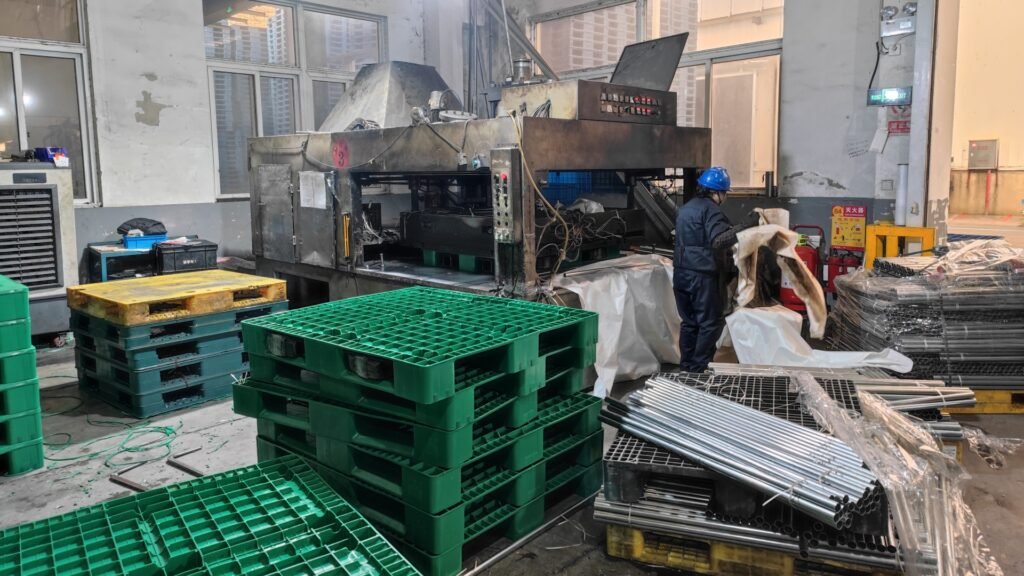
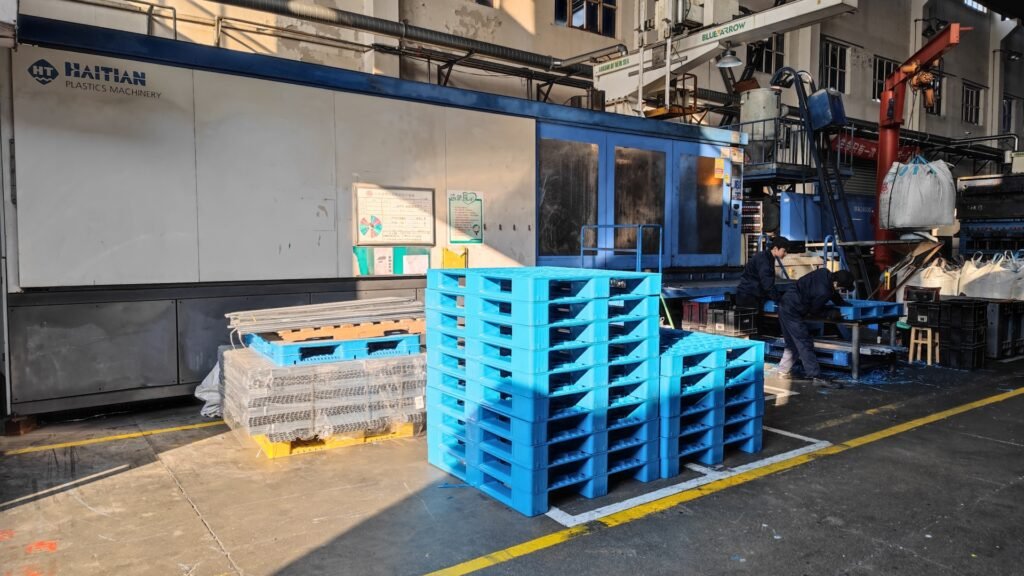
- High-frequency circulation, food & beverage, and pharmaceutical industries: Injection Molding Plastic Pallets provide stable structures and high dimensional accuracy, making them suitable for long-term reuse and high-hygiene applications.
- Heavy-duty logistics, industrial transportation, and racking storage: Injection Molding + Welding can enhance structural strength and is suitable for Heavy Duty Plastic Pallets and Rackable Plastic Pallets.
- Special structures and customized requirements: Injection Molding + Assemble provides flexible structural combinations for Customized Plastic Pallet solutions.
- Export shipping, lightweight logistics, and cost-sensitive applications: Blow Molding Plastic Pallets are lightweight and offer good impact resistance, making them suitable for one-way transportation.
What Are The Common Accessories For Plastic Pallets?
A pallet that suits your needs is not just about load capacity. Adding some custom plastic pallet accessories can make your goods more stable, simplify management, and help you reduce operational concerns.
- Anti-Slip Edge (Safety Lip) &Anti-slip pad
- RFID Technology
- Reinforcing Ribs
- Customized Imprinting, Labeling & Numbering
- Top Caps
- Sleeve Packs
- Separator Board & Collars